 What a joy, and what fun I have had reading and re reading this small book filled with delightful illustrations trailing across each 2 page spread. Text is kept to minimum, at children’s Primary reading level, and repeats the alphabet in upper and lower case many times.
Category: Book Reviews
Book Reviews
A review of Pancakes by Adrianna Adarme
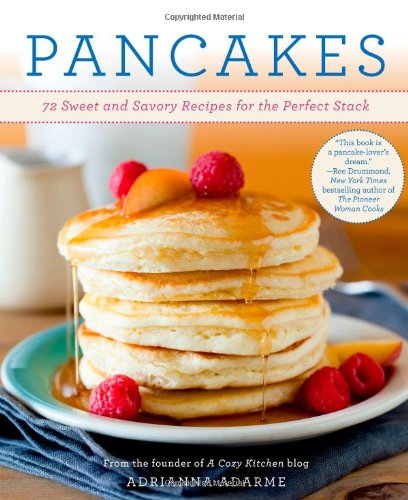 This is a book to be referred to often, to help the cook begin to think of pancakes as something more than a circle of cooked batter on the plate, smooshed with butter and doused with syrup; it is a selection of recipes sure to intrigue, delight and satisfy, whether used for creating a hearty breakfast, or for a winter supper filled with good scents in the kitchen and delicious food on the table.
A review of The Proper Care and Feeding of Husbands by Dr. Laura Schlessinger
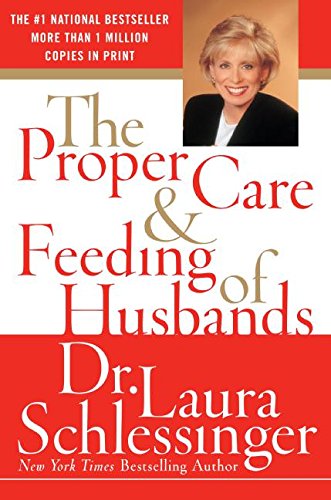 Dr. Laura shows women how and why they are responsible for many of their marital problems. She provides solid facts, real life examples from other maried couples, and her experiences in advising other women on how to solve their marital issues. After reading this book at the age eighteen, I realized it was my passion to be a loving, committed, and devoted wife.
A review of The Last Thread by Michael Sala
 Life isn’t always a linear path though, and there is a strong though subtle meta-fictional aspect to this story that reminds us we are always working towards a broader meaning making than a single story might provide. It’s here that the themes re-emerge, along with questions about genetic inheritance, about how we make and remake ourselves, how meaning is created, and the role of language and love in all of its forms. The Last Thread is about all of those threads and more.
A review of Raking the Dust by John Biscello
 John Biscello is clearly an immensely gifted writer who has attempted something in Raking the Dust that will certainly win it admirers. I admire much of it myself, yet I find I cannot warm to it. The trade-off between life and literature often involves some strenuous negotiations, the outcomes of which are not always what we would wish. Raking the Dust describes an extreme case, and our appreciation of the novel will depend on our responses to Alex and his problems.
A review of Candyland by Vicki Salloum
 Salloum has excelled in evoking the Katrina disaster and in depicting a criminal sub-culture. The action keeps readers alert, and the New Orleans landmarks will interest those who lived or have visited that city. Candyland has been described as a “noir” suspense thriller, and it is that, but it is less pessimistic than Salloum’s earlier novel, Faulkner and Friends, and reaches a satisfying conclusion.
A review of Baggage by S.G. Redling
 Redling’s fast-paced novel is full of well-wrought scenes, including one in which Anna’s artist father finds her colouring an outline of a Cezanne that she saw at an art museum. He flies into a rage and destroys her prized book because she is colouring rather than creating.
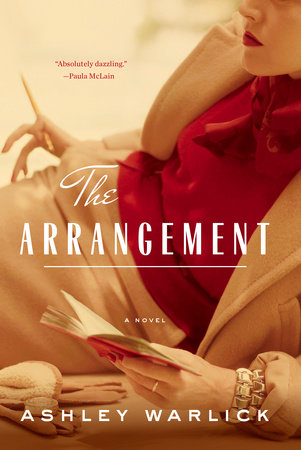
A review Of The Arrangement By Ashley Warlick
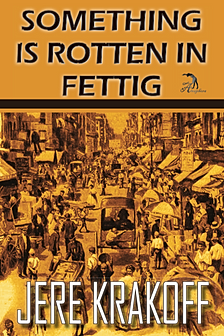
A review of Something is Rotten in Fettig by Jere Krakow
A review of The Decision by Britta Bohler
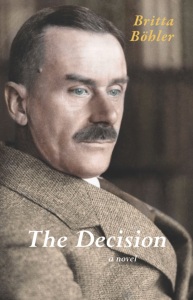 Britta Bohler has written a wonderful novel, an immersive and psychologically convincing account of Mann’s agony of decision. Smoothly translated by Jeannette K. Ringold, it is well researched and chock-full of sharp insights into one of the great writers of the twentieth century.