 The poems in Rupture Anthem chronicle one woman’s quest for personal independence in the face of so many obstacles. The daughter of Pakistani foreign workers in Saudi Arabia, she experiences both sexual repression from strict patriarchal Islamic clerics, in educational settings, and the exploitation of migrant workers that her family endures.
Category: Literary Fiction Reviews
A review of Mine by Adam Ouston
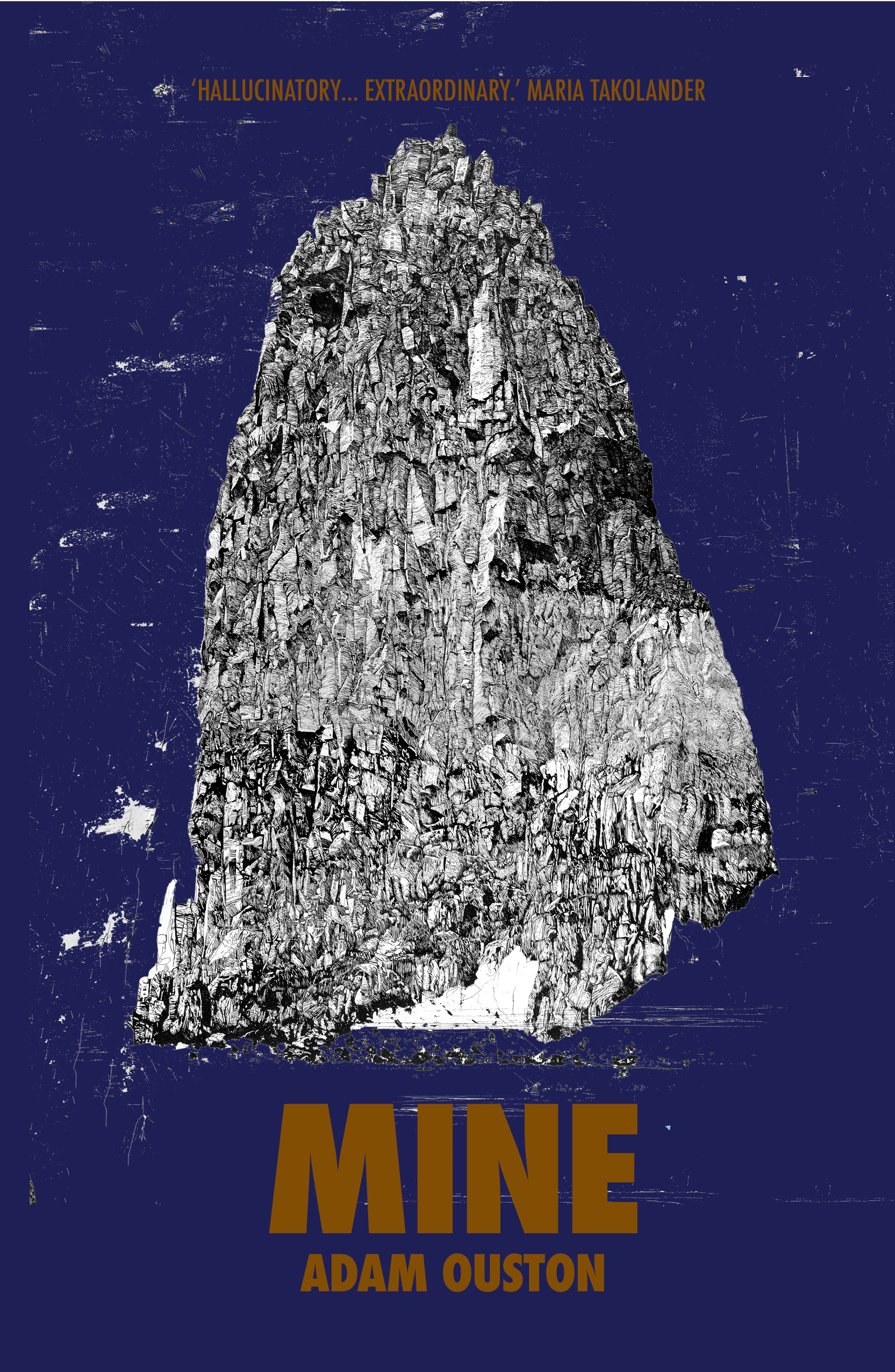 There are several narrative threads and poetic refrains that twist in and out of the narrative as we move through the arc of this unnamed mind in the mine. Sometimes he is pragmatic and precise, working through his dilemma in logical steps, and sometimes he’s feverish and wild. I found the writing and the way in which it traveled through time and space, history, trauma, love and loss to be haunting and yet surprisingly compelling.
A review of The Book of the After by Rebecca Higgie
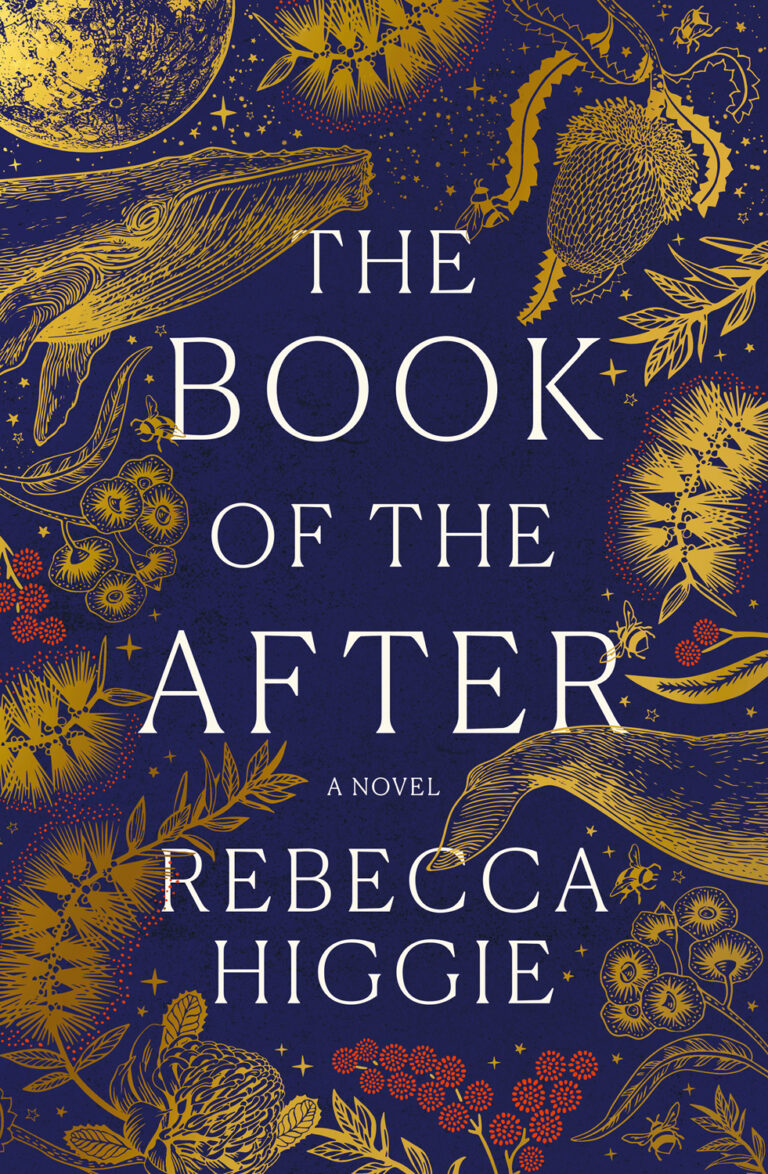 I won’t give anything away here other than to say that The Book of the After is most certainly an epic, as beautiful and grand as Otto, the 24-metre blue whale skeleton from the Boola Bardip museum in Perth who features so prominently in this story.
A review of Man Overboard by Kathleen Rooney
 And perhaps most delightful, with her humor and clever word play, we could never mistake Kathleen Rooney for any other writer. Man Overboard sparkles. As Rooney’s Kick makes observations about his dilemma, we are treated to a glistening stream of consciousness as he riffs, with bitterness or resolve, on his stamina, his estranged mother, annoying brother-in-law, patient girlfriend and more.
A review of Dreamboat by Jeffrey Skinner
We enter the collection meeting the speaker as he experiences a bout of insomnia during a river cruise in Germany. The Rhine River transforms into a pack of stampeding dogs of various breeds. Logic does not rule—the poems are untethered, capable of moving anywhere at any moment.
Poetry in Misalignment: A review of locust blindfold stompchant rain by Neil Flory
 Here, understanding the compositions through perception is recommended. It is nearly cinematic and tied to specific moments that are constantly unsettled and incapable of solidifying harmoniously. In one lens, the image of the metaphysical poet appears. In another, the weathered-down court jester.
A review of Krank Fuss by Andrew Upton
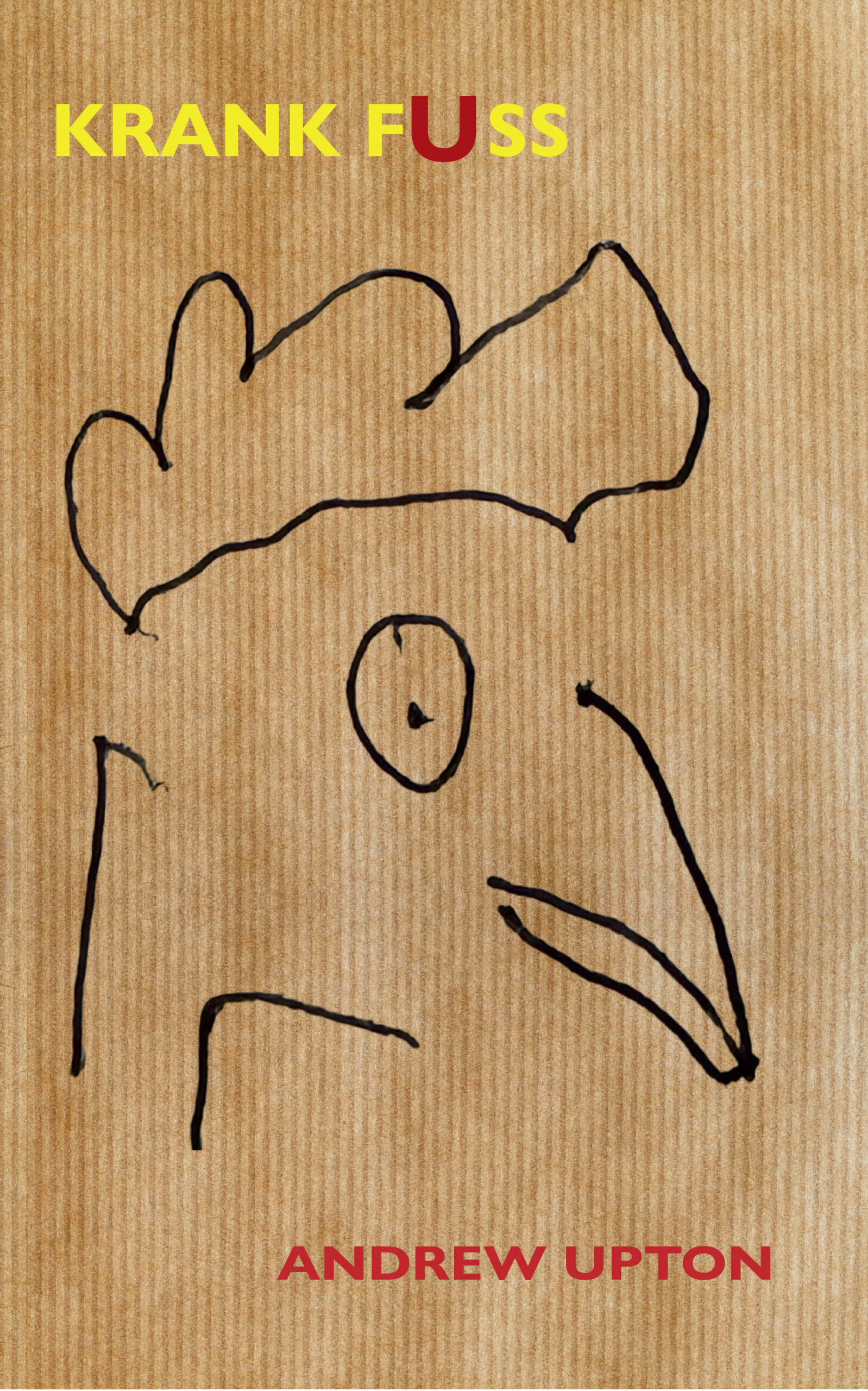 The initially charming tale of a chicken in search of meaning and her friend, the prophetic toad Gibby, has the feel of a children’s book complete with Rudi’s own naive drawings, until it becomes clear that this is not a book for children, but rather a serious story about war, peace, humanity’s stupidity, and the meaning of life.
A review of Those Who Vanish by Patricia Grace King
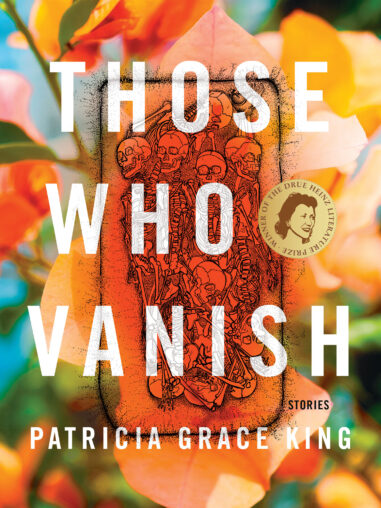 While most of the stories are told in the third person, “Rubia,” “Small Country” and “The Death of Carrie Bradshaw” are first-person narratives. These stories especially go to the heart of the misunderstandings that prevail throughout this collection. “Rubia” is related by Josie, a girl who tells us she grew up “at the bottom-ass edge of Delmarva, a landscape of crab shacks and chicken farms where the only thing flat as the Chesapeake Bay in your face were the swamps at your back.”
A review of Rite of Spring by Kris Kneen
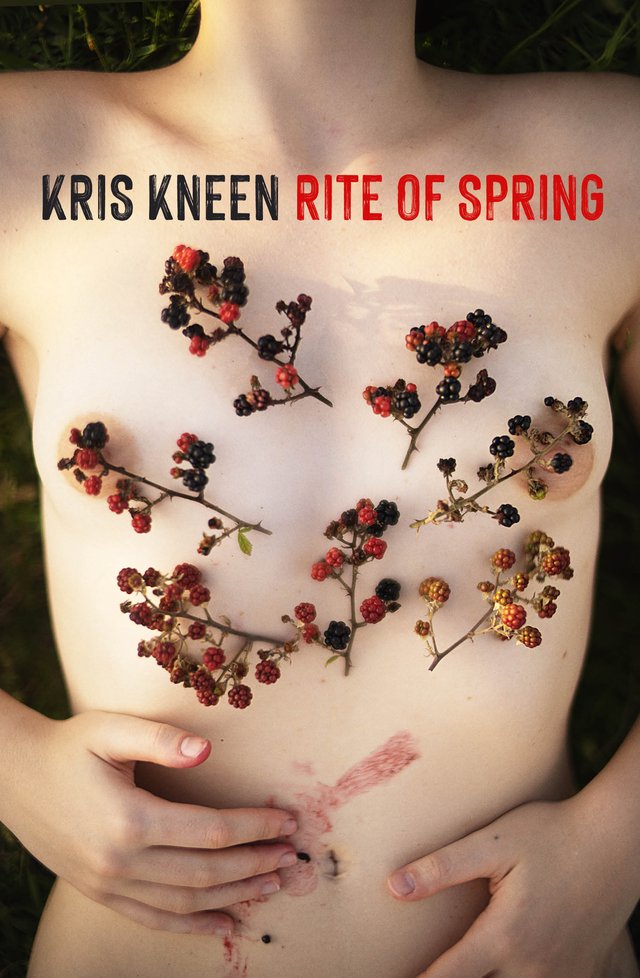 Kris Kneen new book, Rite of Spring, is delightful, strange and bizarrely sexy. The title hints at awakening and that is one of the key themes in this book, which teases and tricks the reader with its silky narration, fast plot, and the beautiful conjunction of suspense and rich inner dialogue.
A review of What Mennonite Girls Are Good For by Jennifer Sears
 It’s a high-stakes adventure, with planes, guns, pervs, and the gyrations of a goddess in disguise. At the end of the day, it’s a short story collection about religious syncretization, told with a voice of winsome aloofness that makes funnier-than-hell into its own corner plot in heaven.