 We have a copy of Resonance: A Novel by Michael S. Tobin and Daniel S. Chertoff to give away!
To win, sign up for our Free Newsletter on the right-hand side of the site and enter via the newsletter. Winner will be chosen by the end of October from subscribers who enter via the newsletter. Good luck!
 Communal joy is the core of all of this work, real and imagined. We are told that escapism is bad, but what if there was a book that allowed us to escape into a state of bliss–but not a state of ignorant bliss – a pleasure-filled novel that provides humor and solace in a turbulent time, but also a novel that is laden with lessons for overcoming the oppressor.
 These are public documents, but combined in ways that create an intimacy, especially when followed by a visceral and personal piece like “white hills”. This poem follows the lists of names, taking the reader directly into the cemetery with its lonely unadorned graves. The sonic elements of anaphora and alliteration repeated throughout the poem create a sense of footfall, as if we too were walking around Bendigo’s White Hills Cemetary, looking at the mounds.
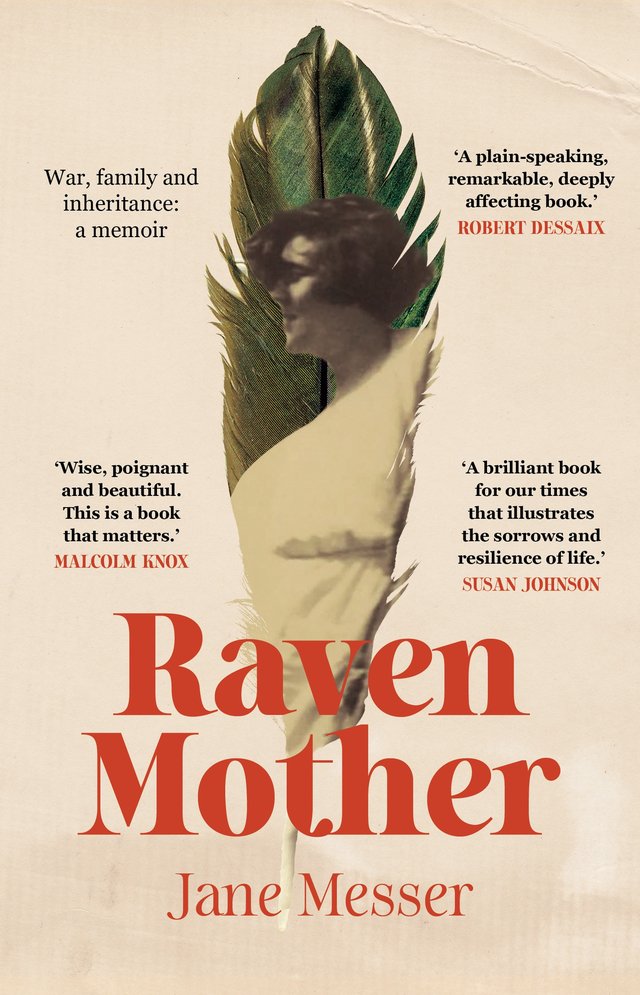 The act of writing – of researching, of spending long hours grappling with ideas and how to express them – changes writers of memoir. All three writers approach this possibility of change bravely. Not in the cynical, ‘Yes Minister’ sense of brave. In the genuine meaning of brave. They ask the hard questions, they go to the difficult places, and their answers let them come away cleansed of assumptions, finding new meaning and overturning old beliefs.
 Alligator is a collection of short stories that are alive and dynamic. The unheimlich moves the reader through fictional landscapes and through something inside our unconscious minds: some deep need to read about other people’s lives and, because we are empathetic to these characters, experience a lovely catharsis. Our unconscious is a reserve of repressed emotions yearning to push at our consciousness. Ryan’s work is good, really good, because it feeds us.
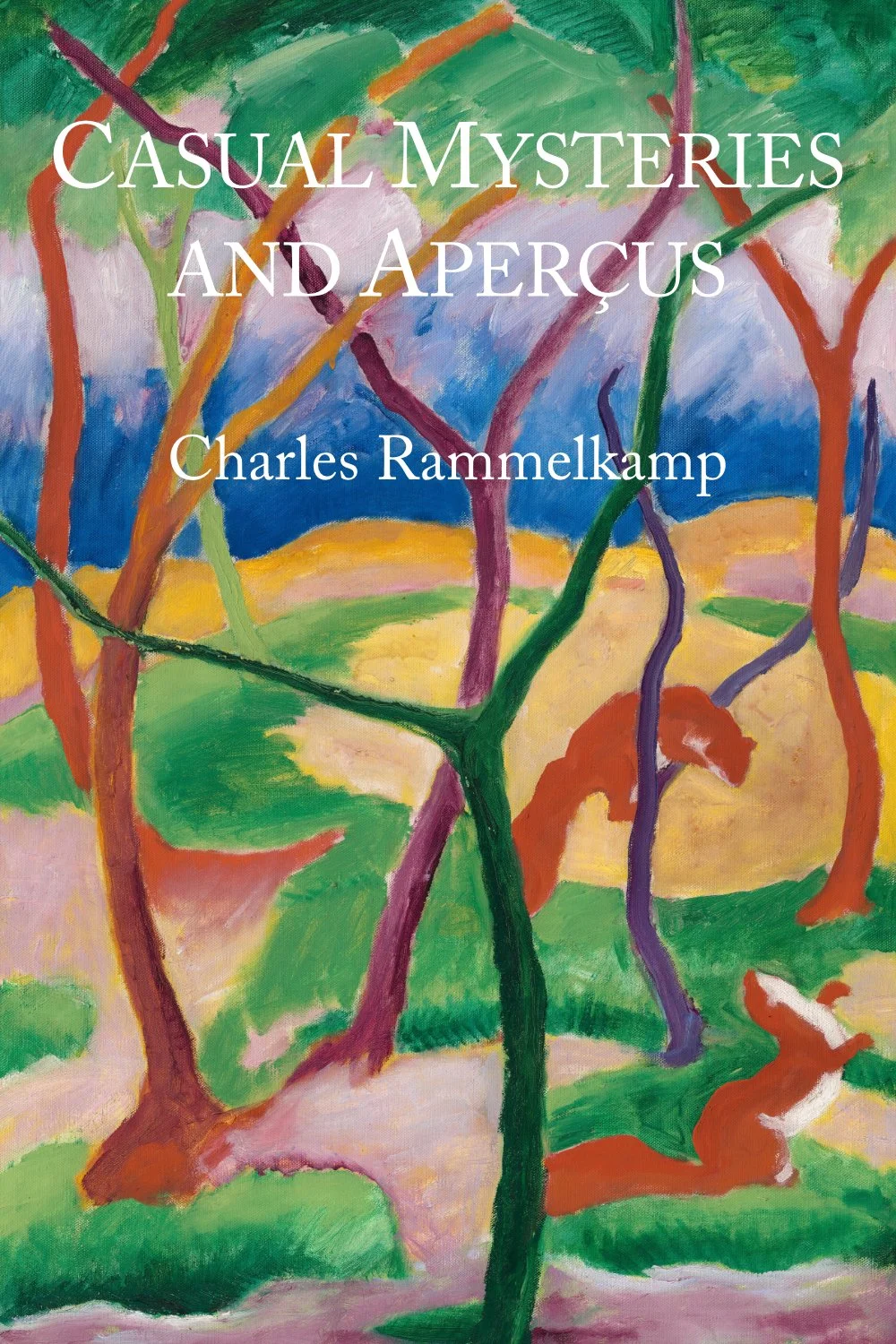 A number of the stories turn at the aperçu, the character’s life coming full circle. Not all stories are ominous and not all mysteries are solved, but collectively the stories in Casual Mysteries and Aperçus shine a light on prejudice, anti-semitism, homophobia, misogyny, the unreliability of memoir and perhaps how even dire situations tend to work itself out over time. As you might expect from a poet, Casual Mysteries and Aperçus contains poetry, insight, intrigue, and a whole lot of fun.
 Writing Resonance was, in the end, a joy, not because it was easy but because it was shared. The process deepened our respect for each other and, perhaps more importantly, our understanding of what collaboration can be. We are already at work, at least in imagination, on the next novel—more ambitious and more complex, set across different times and worlds. We now know the process will not be seamless. There will be disagreements, uncertainties, and moments of doubt.
 And to be is to be filled with wonder, an emotion that is threaded throughout this book. “The Arrival” is about the wonder of a mother giving birth to her child. While it is spoken in third person, the poem is so visceral it seems as if told from the newborn’s point of view. “Clutching at the foreign, warm five/ fingered hands, sucking, plucking,/ poking at skin rampaged by the/ stinging air surrounding her.” The wonder of nature pervades “My Garden.” In the garden death, in the form of a dead dragonfly, coexists with life, a snake and a toad.
 This is not a writer who takes the easy way out. As she learns to mother her son, she leaves delectable signposts for the reader, as the page turns from journalism to inventive forms of speculative and factual nonfiction. Not only is this her story, but it is also the story of what this all means to the writer—and ultimately the reader— who is offered the gift of witnessing how Banham’s approach to mothering and its history in her family unfolds.
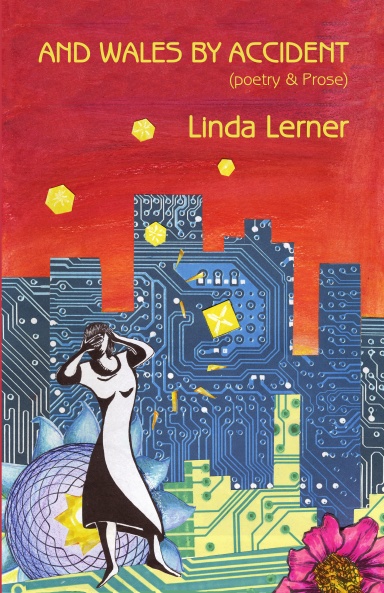 Metaphor, irony, and paradox abide in all five sections of this book. The ball in the opening poem of the first section, “And just like that,” becomes more than a ball “red hot as it flew overhead, each time / gathering speed covered / a greater distance,” literally in the park, figurative in the poet’s emotional landscape.
 Although we see the inner journey of Artie and a couple of his closest friends, the story steps out of introspection enough to show us a good view of the 1980s-era occupied nation. Train stations, nightclubs, folk music, hotels and tourist sites, and the countryside and ordinary people’s homes paint a portrait of a nation with a vibrant culture, even under occupation.