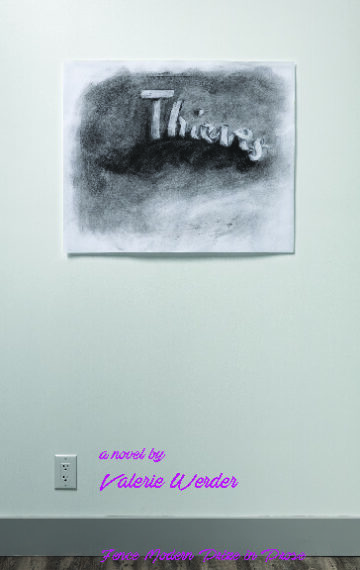
 Ostensibly Thieves is Valerie’s coming-of-age as she works through and try to escape the constraints of her upbringing and the world in which she lives. The story appears progress in more or less linear ways, however, there is a recursiveness that functions almost as a Möbius strip where time loops around itself and the endpoint of the work is not so much Valerie’s transition as the work itself.
Category: Book Reviews
Book Reviews
A review of The Girl Who Cried Diamonds & Other Stories by Rebecca Hirsch Garcia
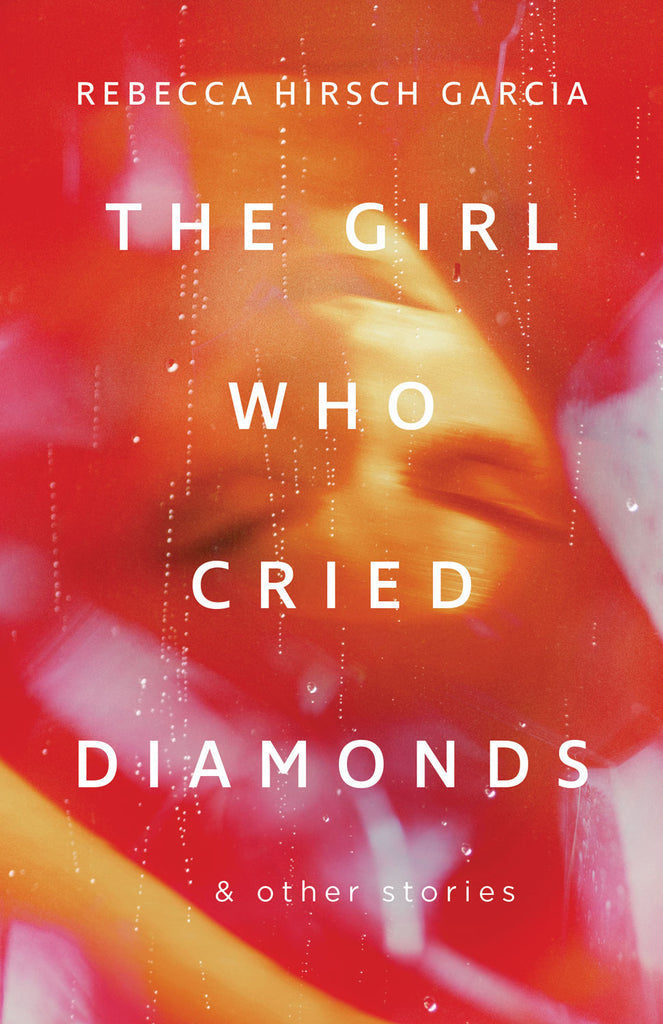 But regardless of genre, these character-driven pieces explore uncomfortable truths and show how patriarchal power structures encourage violence against women, physical and psychological. Each story has new characters confronting different forms of abuse and betrayal. Two high schoolers dealing with body issues bully each other with a mix of fascination and revulsion.
A review of Distance by Simeon Kronenberg
 It is interesting to note the variety of styles that the poet utilises in this collection. Some of the poems are “persona” poems like one titled “Akhenaten to Smenkhkare” in which the speaker takes the identity of the Pharoah, some are descriptive, and others in narrative mode, always utilising a good range of literary techniques and poetic devices. Some of the poems are made of simple lines but loaded with meaning.
A review of Well Dressed Lies by Carrie Hayes
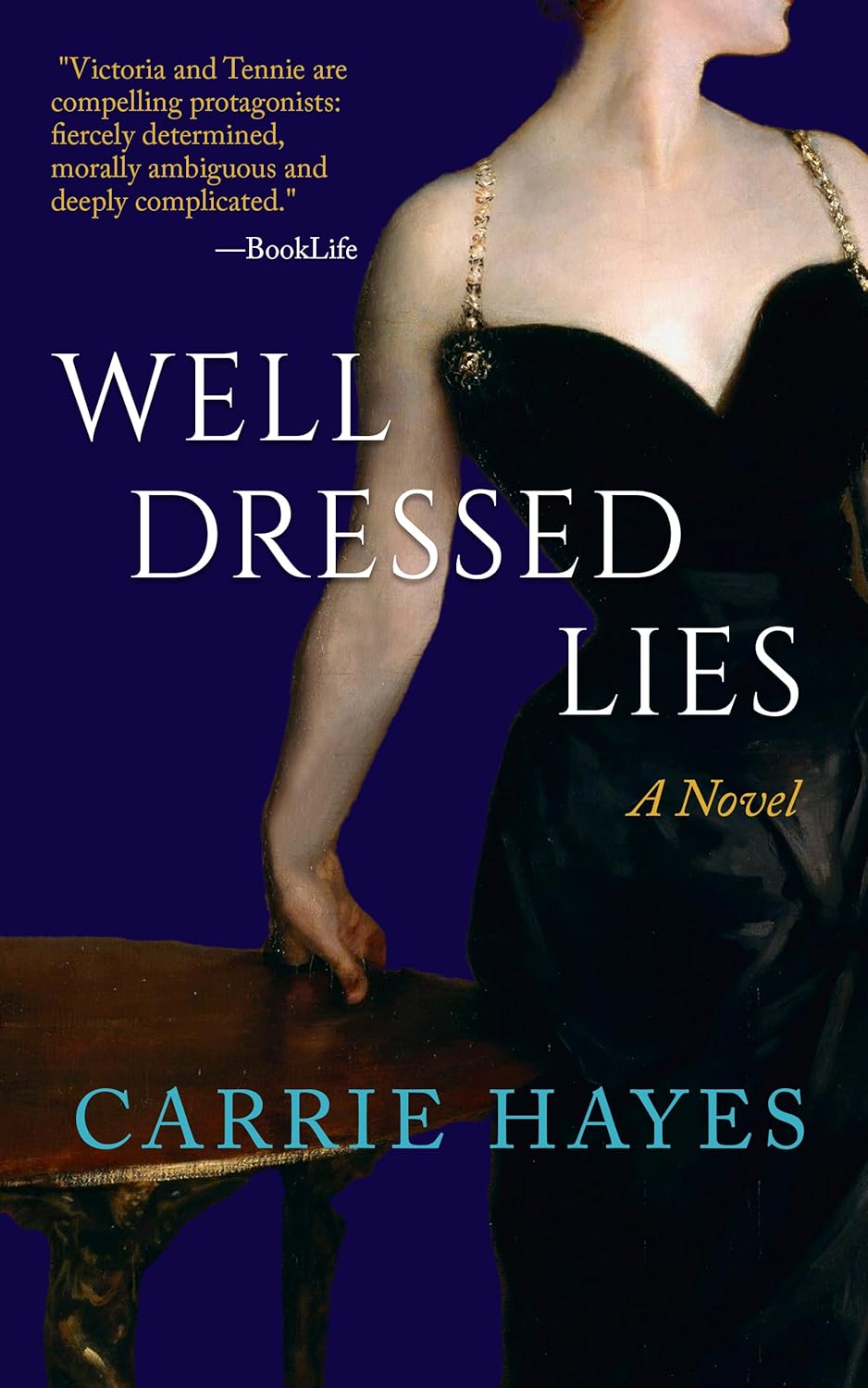 The writing in Well Dressed Lies is wonderfully well done at an intelligent level and with a formal tone that fits the time, place, and circumstances of the story. The language is rich, pleasing, and in places, appropriately lyrical. World-building is superb—with the English weather, streets, countryside, and architect so well drawn as to make readers feel like they are there. Seemingly small details add realism and appeal to the novel.
A review of Just Dope by Allison Margolin
 It would be easy to call her a chip off the old block, but it would also be wrong. Margolin makes it crystal clear that she hasn’t rode in on anyone’s coattails in becoming herself a well-known marijuana defense attorney that has witnessed firsthand the hypocrisy of America’s War on Drugs, which has always been primarily a war on marijuana, for the bulk of her entire life.
A review of The Future Will Call You Something Else by Natasha Sajé
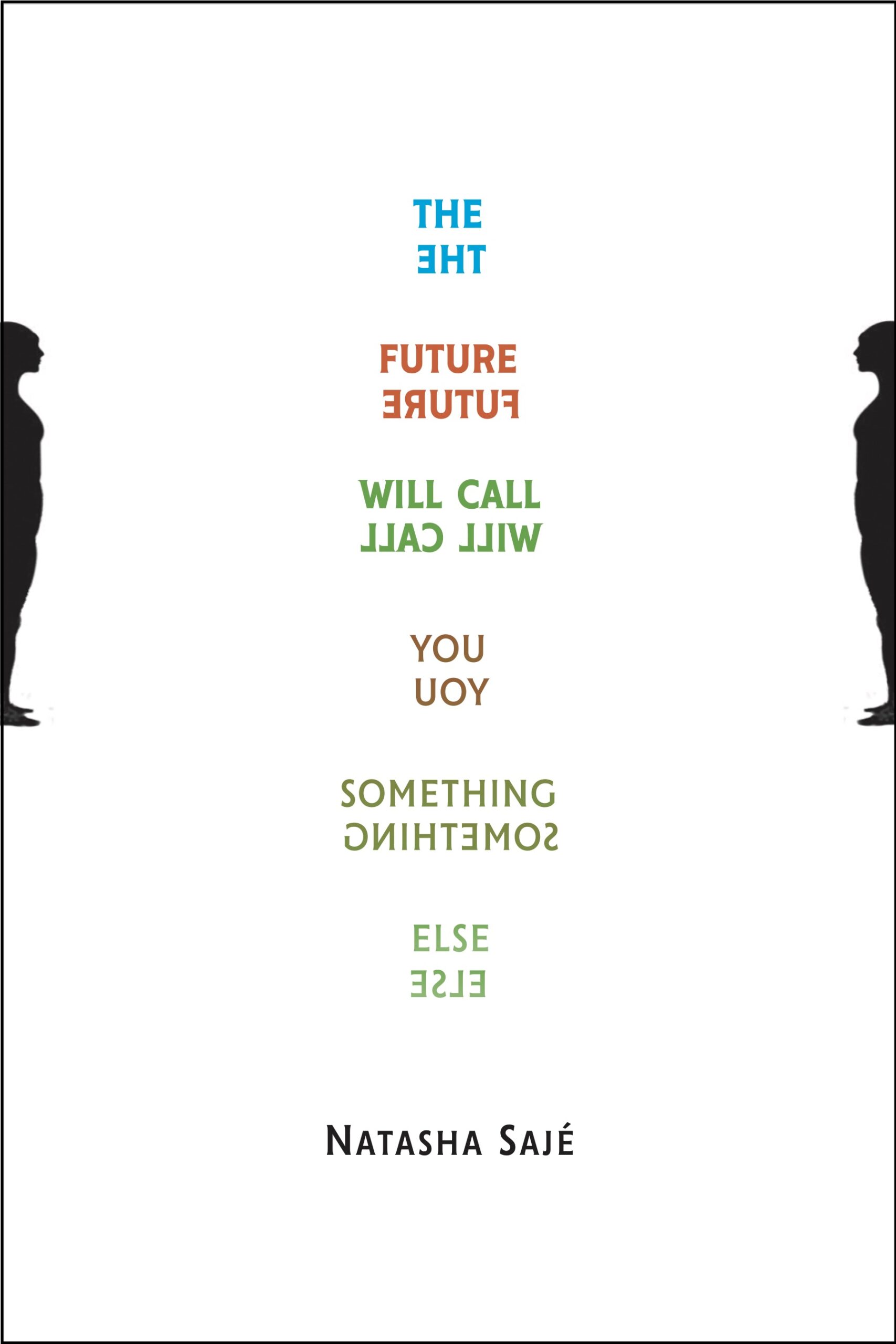 In each of the five sections of the collection, she points to the limits of our control—as the title suggests, whoever we think we are, the future will see us differently. Yet, Sajé encourages these difficult conversations because through language we have the chance of being heard, and for better or worse, the reassurance that we belong to the world.
A review of Rhododendrons by Sreetanwi Chakraborty
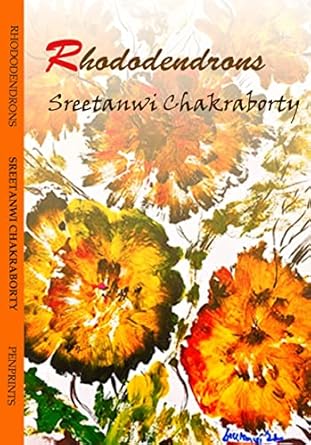 The novel has a splash of colours on the cover, drawn by the author herself, depicting Rhododendron flowers, from which the title of the book is derived. The plural of Rhodendron might be a pointer to sundry memories and characters that people the canvas, and in singular this would be just the protagonist. If we allow our imagination to stretch a bit, it might mean the protagonist and her dear ones, as all are colourful like the Rhododendrons.
A review of The Storm by Mark Lipman
 Lipman’s poetic style is obviously drawn from his world travel and experiences interviewing different people, seeking new adventures, and gaining an intimate knowledge of wide-ranging cultures and beliefs. This has given a unique perspective to his poems.
New giveaway!
 We have a copy of The Counting House by Gary Sernovitz to give away!
To win, sign up for our Free Newsletter on the right-hand side of the site and enter via the newsletter. Winner will be chosen by the end of November from subscribers who enter via the newsletter. Good luck!
A review of Tender Machines by J. Mae Barizo
 It is a book of personal revelations and truths, some raw and shocking that are intimate to the core. It is a book about women contemplating their fate in what still seems to be a man’s world. It is a book about loss of self in a country that was a coloniser of ancestors. It is the feeling of not knowing who you are and where to hide.