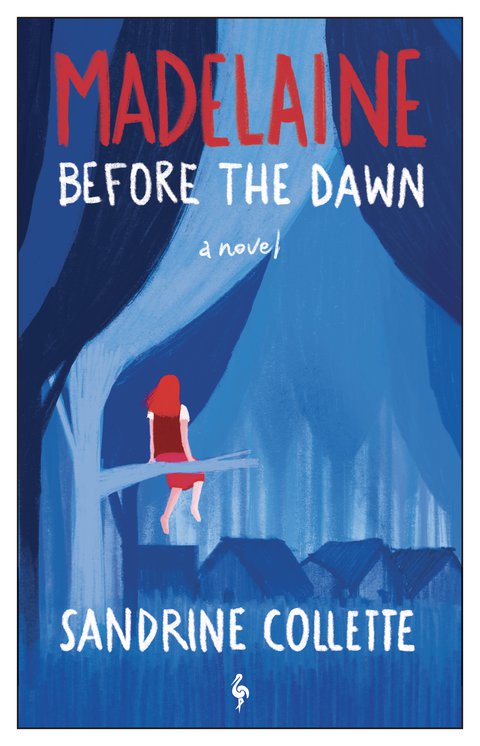
 The plot is simple, but in Collette’s hands, and Anderson’s translation, the prose soars, delivering shimmering men, women and children caught in a never-ending cycle of labor in fields. Hope rises and falls. And while love is a luxury, it’s as seeded in the novel as the seeds the farmers plant in their fields.
Category: Literary Fiction Reviews
A review of The Grief Shop and Other Stories from a Broken World by Alex DiFrancesco
 The book focuses on what could be considered the walking wounded, if it weren’t for their respective nuances and depth, along with surprising turns of humor. The stories are marked by the shadow of a singular, mostly unspoken, ‘tragedy’; however, the collection notably avoids the trap of victimization despite the cataclysmic proportions of its world.
A review of Tangerinn by Emanuela Anechoum
 It may take readers a moment to adjust to that narrative form, but the immediacy it provides is worth it. It’s a history and a conversation, the kind where you leave what was behind and move into the present state of what is. Interior reckoning goes a long way and is itself a form of migration, maybe even another form of death in the father’s and daughter’s struggle to align identity with a self in a foreign land.
A review of The Meaning of Fear by Laura Hulthen Thomas
 The Meaning of Fear is not an easy novel, but it is a necessary one, particularly in today’s world. Readers will find a lot to unpack here and, without a doubt, gain insight into the ramifications of abuse. At the same time, fans of suspense are in for an adrenaline-charged ride, penned by a top-notch storyteller.
A review of But Where’s Home: A Novella and Stories by Toni Ann Johnson
 Johnson’s writing–her vivid detail, sharp dialogue and insightful, deftly witty scenes–reveal a family of distinct, complicated individuals grappling with the internal and external impact of our society’s stereotypes, but also asks us to look more closely at our own relationships.
A review of The Cross Thieves by Alan Fyfe
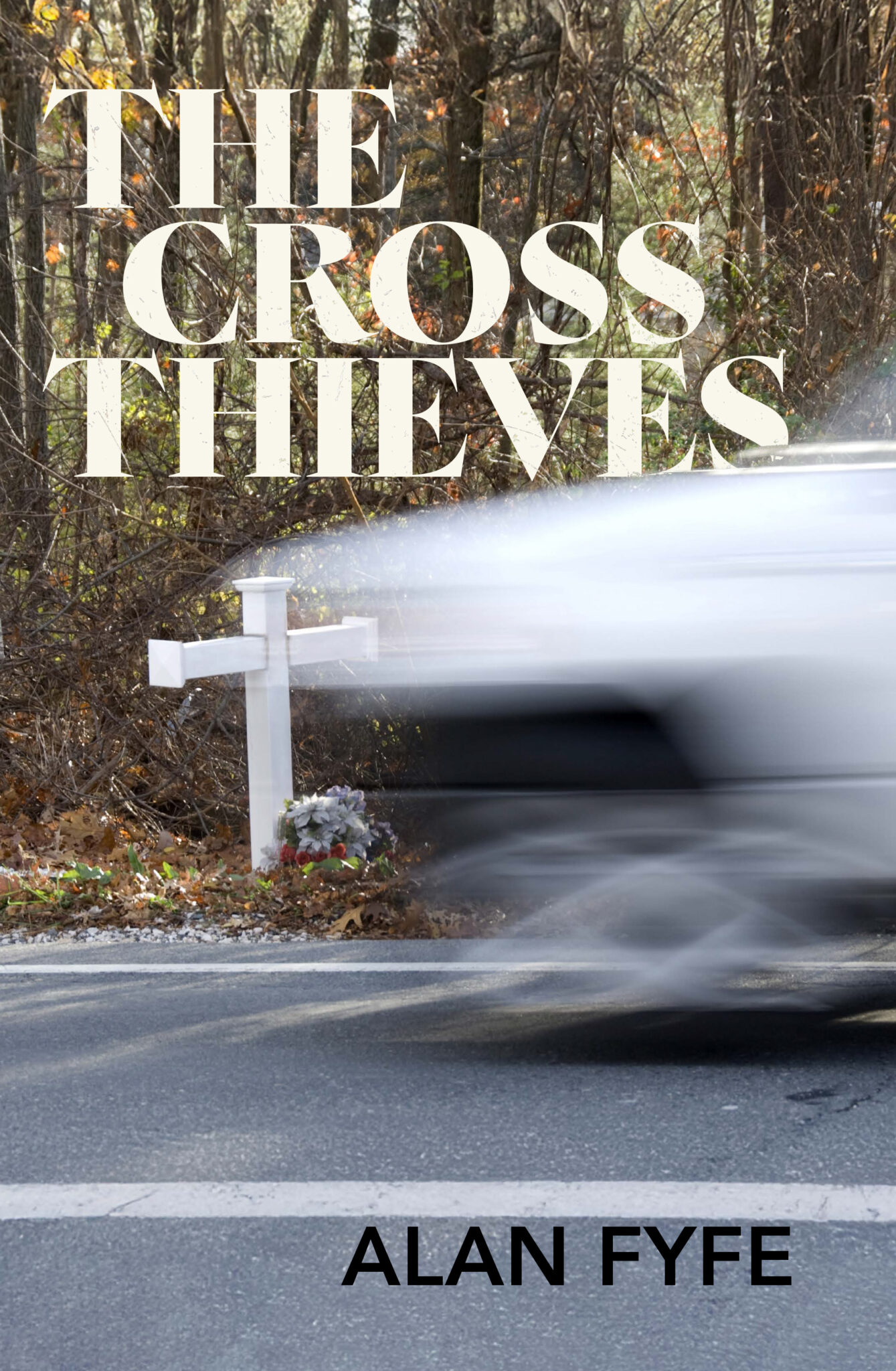 The book is full of beautiful, funny, often tragic contradictions that are so well woven into the fast-paced plot that at times you have to force yourself to slow down to appreciate them. The Cross Thieves is a terrific book, full of gritty violence and desperate characters, but also infused with a tenderness that borders on transformative.
A review of Prairie Ashes by Ben Nadler
 Prairie Ashes is well worth your time. Whatever your interests, it is the duty of the working class as much as it is the rentier class to understand what was once possible in the pursuit of a more equal society. Orwell found it once in Spain; even if for a brief time, it proves that things must not always be as they are, as well that authority is not invincible or necessary in its unjustified form.
New giveaway!
 We have a copy of Slipstream by Kristyn Saunders to give away!
To win, sign up for our Free Newsletter on the right-hand side of the site and enter via the newsletter. Winner will be chosen by the end of February from subscribers who enter via the newsletter. Good luck!
A review of A Place in the World by Bill Gaythwaite
 Gaythwaite’s sheer wittiness is a delight, even without the gripping moral dilemmas that propel the stories forward and the vivid, often morally questionable but nevertheless endearing characters who bring the plots alive. The reader turns the pages to see how their situations are resolved – or not resolved.
A review of Your Place in This World by Jake La Botz
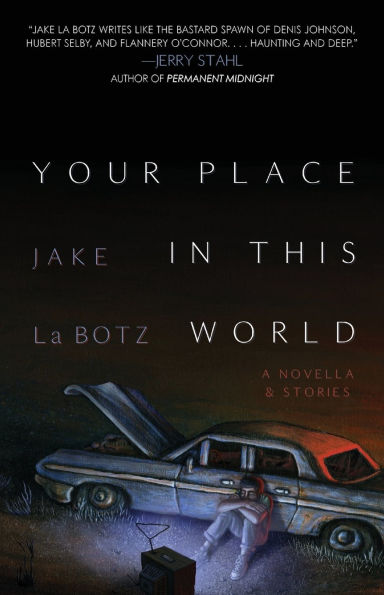 Jake La Botz writes with a bruised, musical lyricism, capturing revelations that arrive not through grand redemption but through small, fleeting graces. His stories linger in the aftermath of failure, curious about what it means to find beauty, dignity, and purpose amid addiction, poverty, and social abandonment in Chicago’s forgotten neighborhoods. La Botz does not romanticize poverty or misfortune; instead, he demands on showcasing his characters’ humanity.