 Anyone who has read Adam Aitken’s wonderful memoir One Hundred Letters from Home will be familiar with Aitken’s particular style that encompasses artefact, the living and the dead, dream and waking, memory and loss. Aitken’s latest collection Revenants, picks up on many of those themes from One Hundred Letters Home, as well as the revisiting the setting and timeframes of Aitken’s memoir: his father travelling in the 1950s, writing letters to his mother from Singapore, or moving through Hong Kong, Malaysia, and Thailand, weaving an absence in and out of the poems.
Author:
A review of The Strategic Poet edited by Diane Lockward
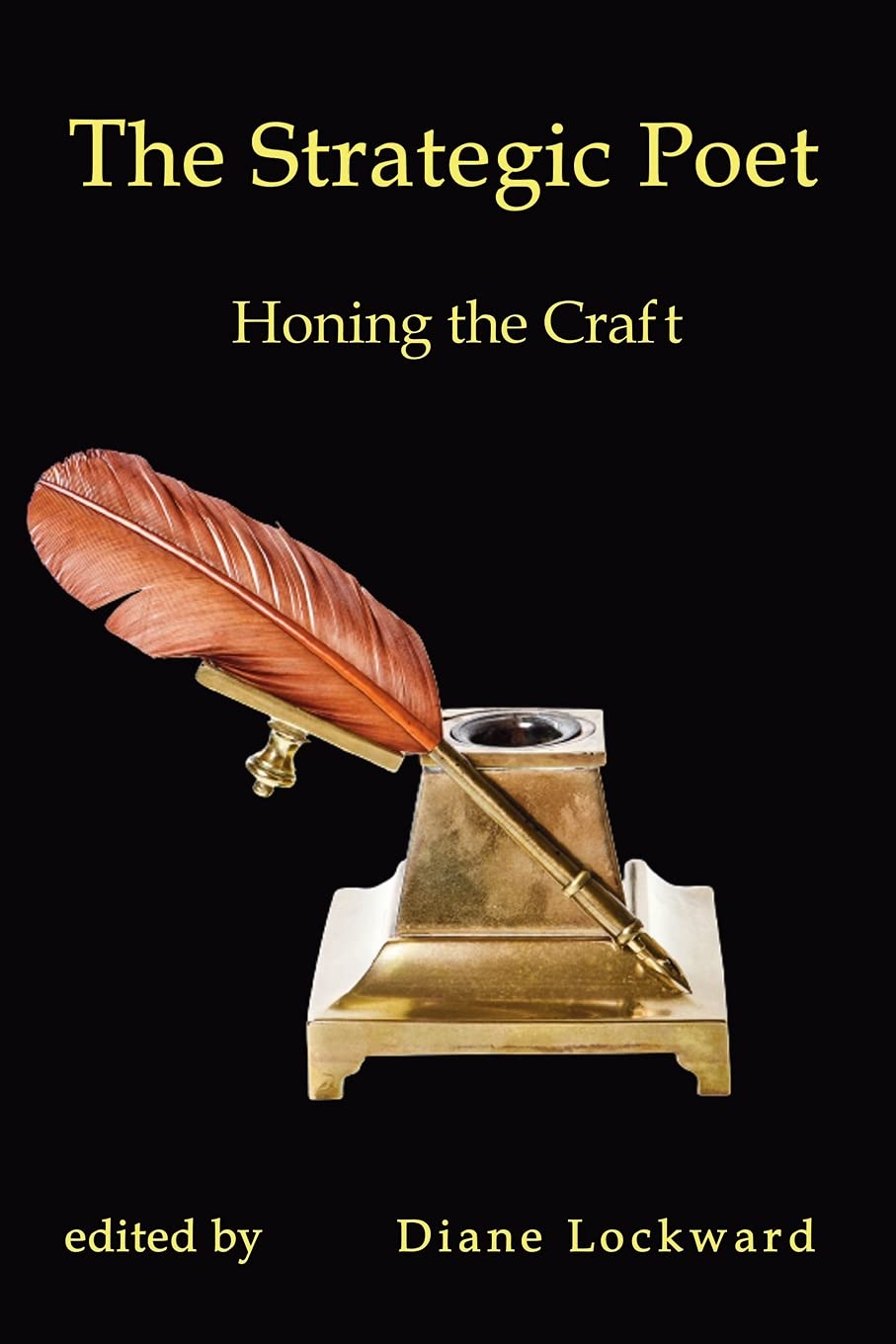 Aside from the illuminating value of the poetry, these modern poems are a pleasure to read. While specifically published as a teaching tool for writers of poetry, anyone who appreciates contemporary poetry should find The Strategic Poet to be a valuable addition to a personal library. On top of everything else, it’s both a challenging and a fun book to study with, filled with insight, imagination, rewarding tasks, and exceptionally fine writing.
New Giveaway!
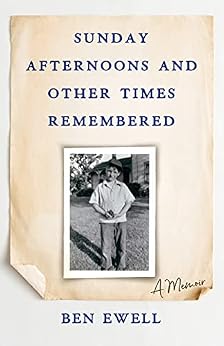 We have a copy of Sunday Afternoons and Other Times Remembered by Ben Ewell to give away!
To win, sign up for our Free Newsletter on the right-hand side of the site and enter via the newsletter. Winner will be chosen by the end of June from subscribers who enter via the newsletter. Good luck!
An interview with Ben Ewell
 The author of Sunday Afternoons and other Times Remembered: A Memoir talks about his new book, his influences, his target reader, the music that inspires him, his work in progress and more.
A review of A Little Bird by Wendy James
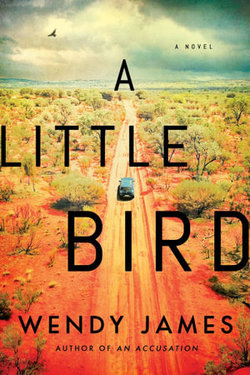 The stories told through these columns crosses over the other two stories until the three stories line up, weaving together like a helix, linking Jo with her mother in a way that is slightly mystical. Jo’s own reintegration into Arthurville is managed with just the right blend of nostalgia and irony, Jo’s intelligence providing a lens that is both loving and critical, allowing the town’s homey beauty and its decline to come through her perception.
A review of M by Dale Kushner
 Every poem is a journey, every journey a poem. M by Dale Kushner is a stunning collection of poems depicting life’s journey in three stages. The roads of sorrow and suffering, the paths of transformation toward spiritual joy and desire, and the longing to know and feel all that is holy are contained in Kushner’s work.
A review of City Scattered by Tyler Mills
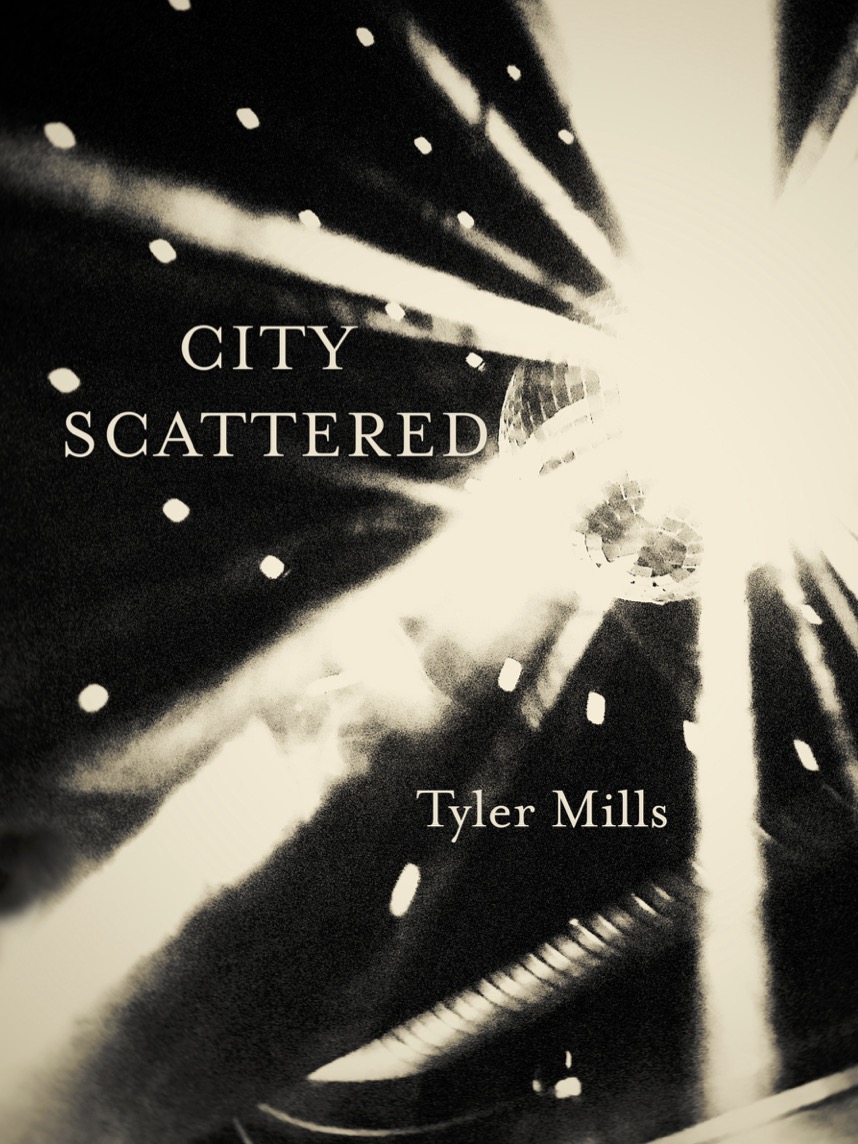 Tyler Mills’ new poetry chapbook City Scattered is in four voices, like a poetic radio play set in Berlin in 1930 when radio was booming. Mills weaves four voices/characters in an emulation of an old-style radio drama that invites the reader to explore the lives of women at this time in the context of a society dangling on the edge of totalitarianism and a world on fire. Each of the four steady voices throughout the book have poems that enrich the story we are invited into.
A review of Acanthus by Claire Potter
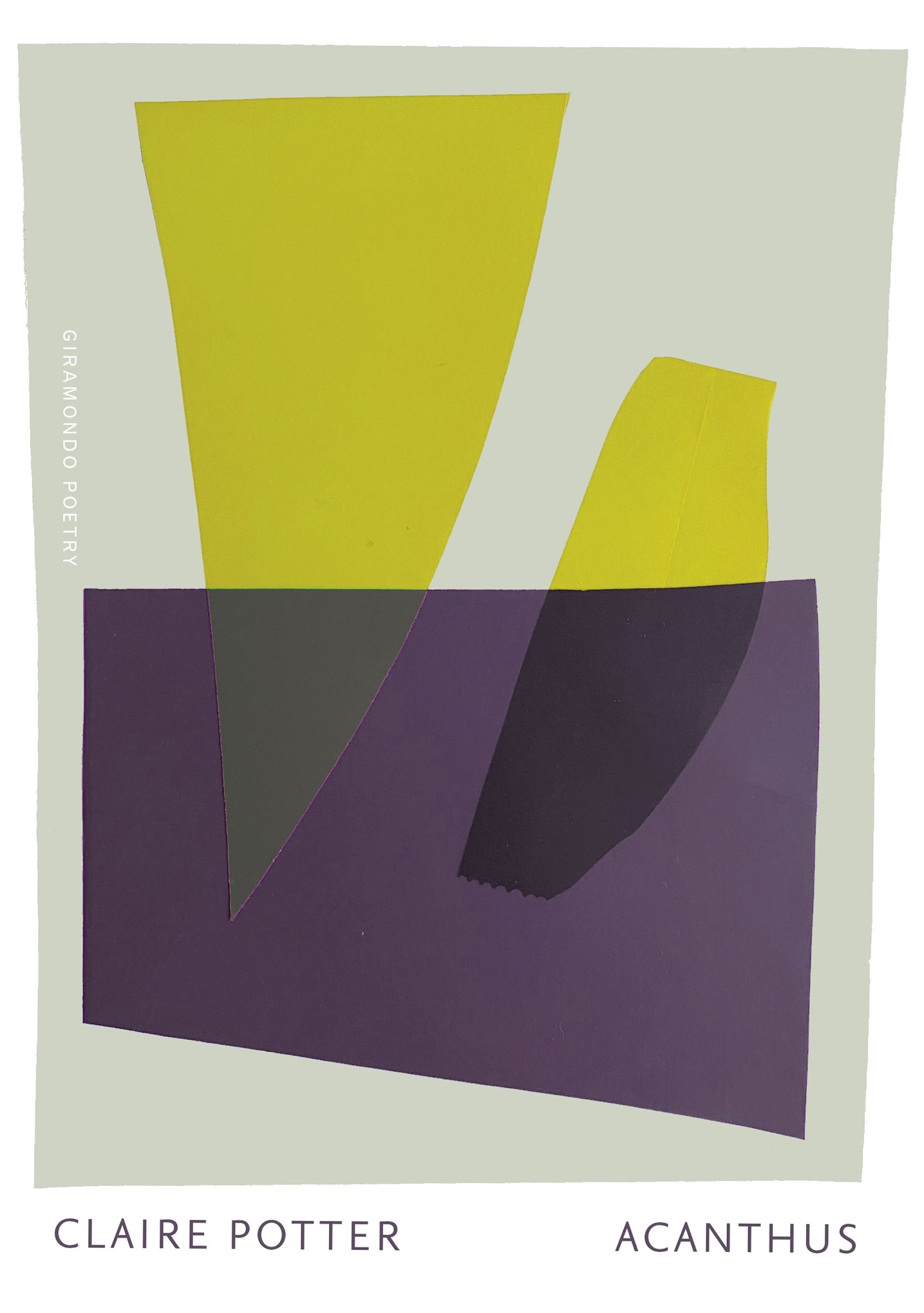 Claire Potter’s Acanthus both draws on mythology and subsumes the intimate and personal into its broader terrain. Potter’s work is consistently compelling, utilising the reservoir of cultural knowledge abundant in mythological stories and heroes.
A review of Angle of Flickering Light by Gina Troisi
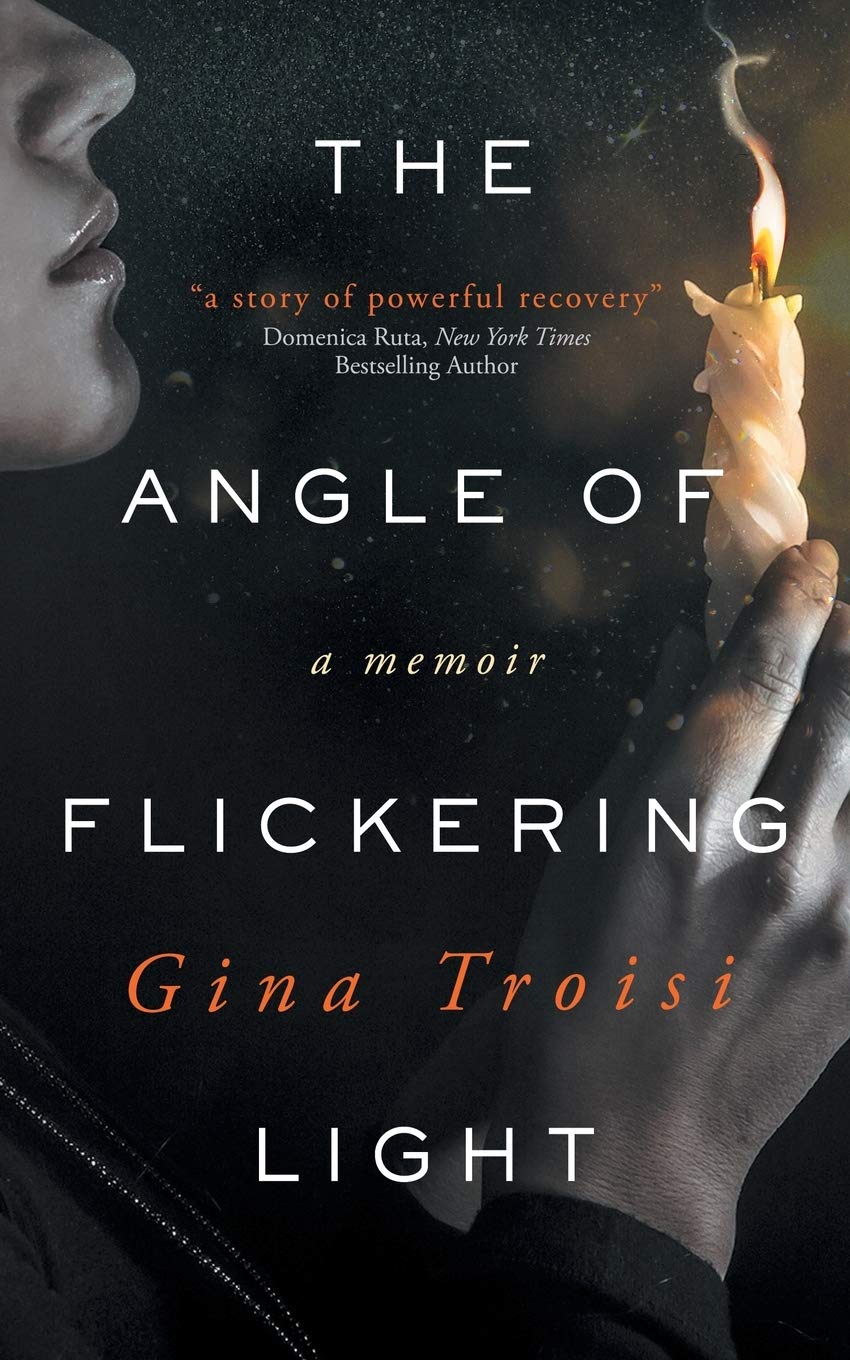 Angle of Flickering Light tells an honest story. It’s the story of a life in progress, marked at its beginning by a series of small, devastating acts—a parent who should protect and cherish instead abuses.
New giveaway!
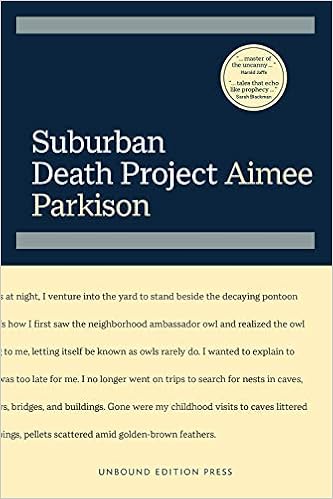 We have a copy of Suburban Death Project by Aimee Parkison to give away!
To win, sign up for our Free Newsletter on the right-hand side of the site and enter via the newsletter. Winner will be chosen by the end of May from subscribers who enter via the newsletter. Good luck!