 It’s a high-stakes adventure, with planes, guns, pervs, and the gyrations of a goddess in disguise. At the end of the day, it’s a short story collection about religious syncretization, told with a voice of winsome aloofness that makes funnier-than-hell into its own corner plot in heaven.
Tag: short stories
A review of Stories: The Collected Short Fiction by Helen Garner
 Some ideologies have little use for such sentiments, but Garner’s new collection hearkens back to themes that came across even more powerfully in the work of Australia’s first Nobel laureate in literature, Patrick White, who contrasted the sedate, not to say dysfunctional, existence of wealthy suburban Sydneysiders with the bold, tough character of explorers who set off into the Outback to grapple with life on the most elemental level, without concern for fashionable dogmas, changing mores, or social acceptance.
A review of The Grief Shop and Other Stories from a Broken World by Alex DiFrancesco
 The book focuses on what could be considered the walking wounded, if it weren’t for their respective nuances and depth, along with surprising turns of humor. The stories are marked by the shadow of a singular, mostly unspoken, ‘tragedy’; however, the collection notably avoids the trap of victimization despite the cataclysmic proportions of its world.
A review of But Where’s Home: A Novella and Stories by Toni Ann Johnson
 Johnson’s writing–her vivid detail, sharp dialogue and insightful, deftly witty scenes–reveal a family of distinct, complicated individuals grappling with the internal and external impact of our society’s stereotypes, but also asks us to look more closely at our own relationships.
A review of A Place in the World by Bill Gaythwaite
 Gaythwaite’s sheer wittiness is a delight, even without the gripping moral dilemmas that propel the stories forward and the vivid, often morally questionable but nevertheless endearing characters who bring the plots alive. The reader turns the pages to see how their situations are resolved – or not resolved.
A review of Your Place in This World by Jake La Botz
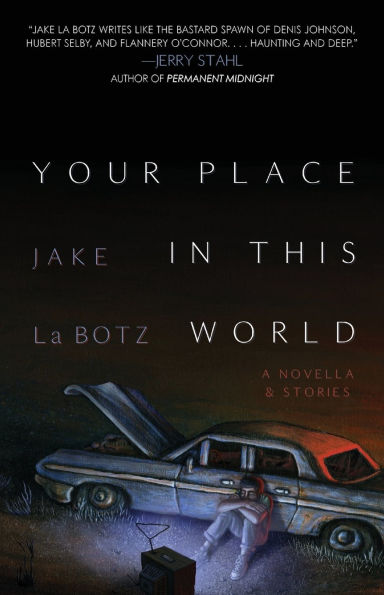 Jake La Botz writes with a bruised, musical lyricism, capturing revelations that arrive not through grand redemption but through small, fleeting graces. His stories linger in the aftermath of failure, curious about what it means to find beauty, dignity, and purpose amid addiction, poverty, and social abandonment in Chicago’s forgotten neighborhoods. La Botz does not romanticize poverty or misfortune; instead, he demands on showcasing his characters’ humanity.
A review of We Had it Coming and other fictions by Luke O’Neil
 There’s a strong sense of place throughout the collection, but with the shading of resigned desperation, almost as keen as describing a memory while it is still being formed. O’Neil often points to the small tortures of acknowledging the sharpness of reality alongside and our shared passivity: “Being lied to isn’t so bad sometimes compared to being aware of how things actually are. You wouldn’t want to go around like that for very long. No one wants to know all the secrets.”
A review of The Victoria Principle by Michael Farrell
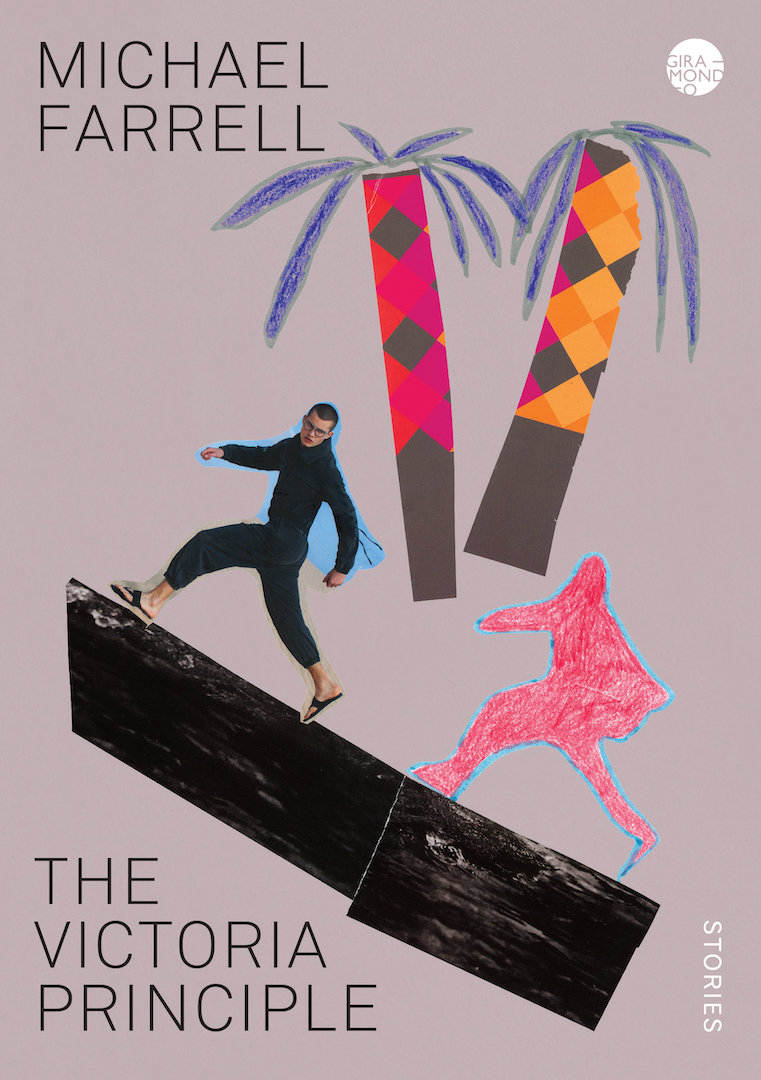 By keeping close to home, the pieces in this collection challenge notions of what is and isn’t real, undermining notions of memoir, which is a construct no matter how it’s labelled. It makes for consistently entertaining, and often challenging reading that encourages uncertainty. This shift between memoir, fiction and poetry feels seamless, challenging the reader to re-examine notions of identity, history art.
A review of Through the Trapdoor by Kavita Ivy Nandan
 Through the Trapdoor is full of such vivid characterisation, engaging dialogue and enjoyable plotlines around overbearing ambitions, competitive siblings, domineering parents, and the difficulty of intermarriage, that its easy to miss how powerful the statements these pieces make, but there is a strong political current that runs through the work, engaging, subtly of course as is Nandan’s way, with misogyny, binary thinking, colonialism and racism.
A review of Bodock by Robert Busby
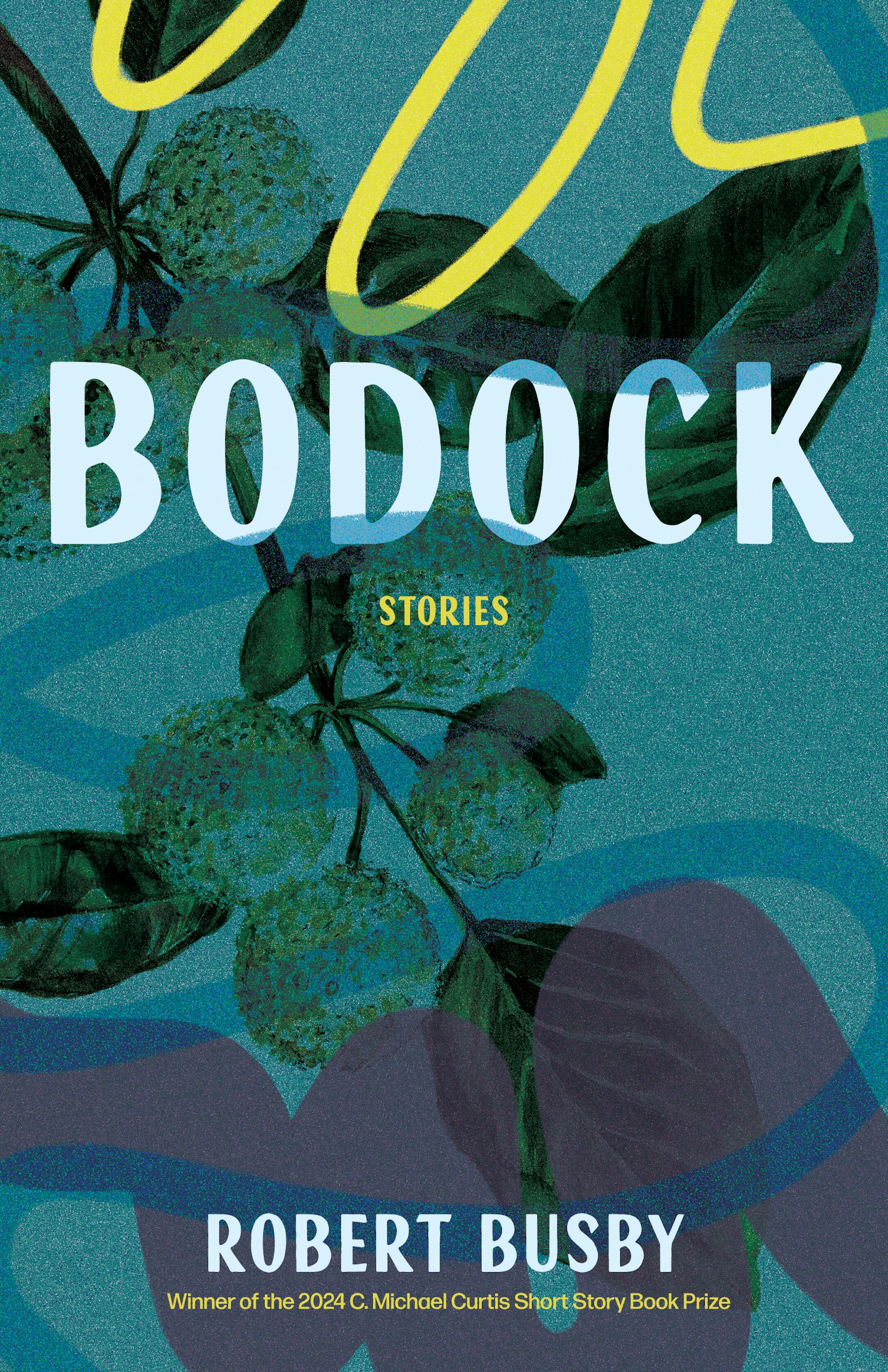 The threads creating the tapestry are often thin, though. Rarely, if ever, will the same characters appear across multiple stories. There’s a joy to be found in wondering whether you’ve just met an unnamed character from a previous story, or if the same dinghy bar or stretch of road is being used as the setting. Despite the lack of crossovers, Busby still manages to make Bodock feel like a fleshed-out, lived-in town, with a community of believably-flawed people.