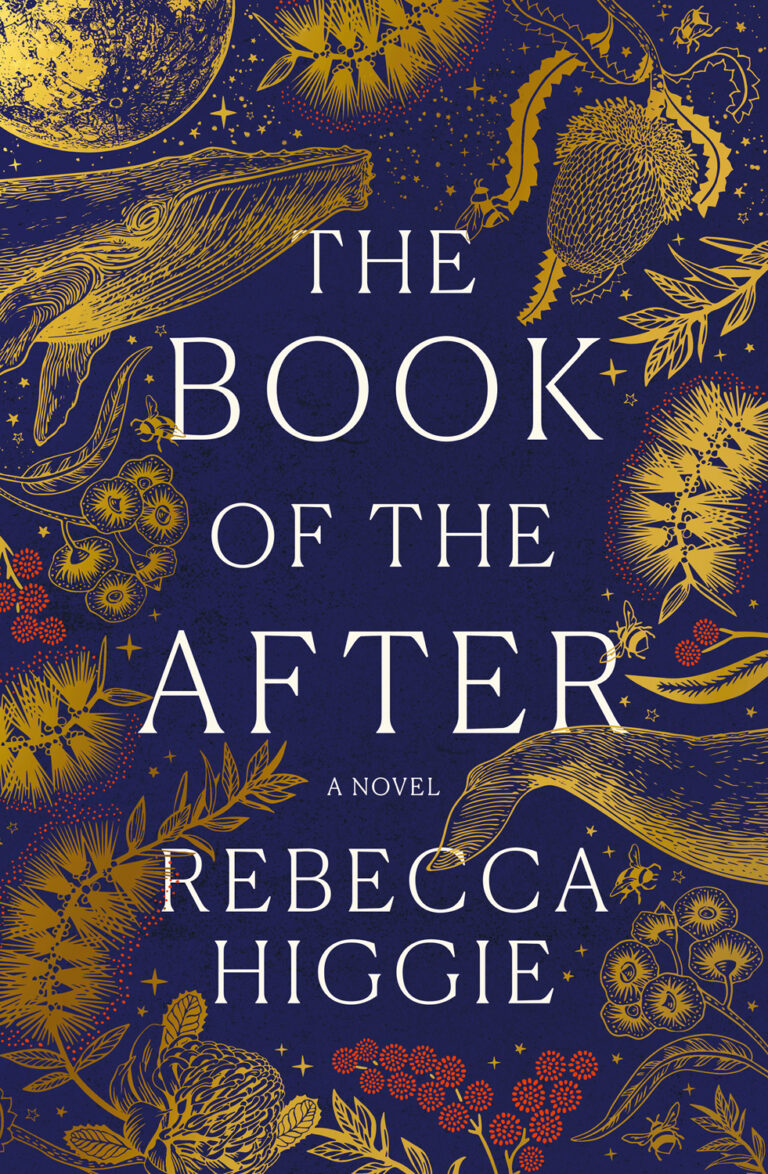
 I won’t give anything away here other than to say that The Book of the After is most certainly an epic, as beautiful and grand as Otto, the 24-metre blue whale skeleton from the Boola Bardip museum in Perth who features so prominently in this story.
Tag: history
We Bombed in New Haven; Alamogordo, New Mexico; in Hiroshima, too: A review of Trinity by Emily Seyl
 Seyl, a science writer and editor at Los Alamos National Laboratory’s National Security Research Center, has organized a coffee table book to end all coffee table books. Trinity: An Illustrated History of the World’s First Atomic Test, replete with more than 300 carefully restored photographs, maps, blueprints, and formerly top-secret documents, goes where no book has gone before.
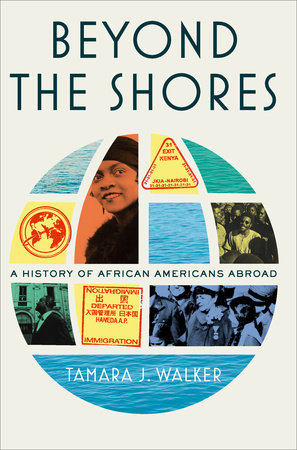
A review of Beyond the Shores by Tamara J Walker
A review of Magus: The Art of Magic from Faustus to Agrippa by Anthony Grafton
 Anthony Grafton, who has made a career writing about similar rarities, conjunctions and mystifications, is a master historian, a writer who goes elbow deep, fearlessly, into artifact, archive, and multi-lingual sources (including Latin and Ancient Greek) as he chases the dragons of medieval magic and mystification.
A review of The Fearless Benjamin Lay by Marcus Rediker
 Rediker is a professor, activist, and historian of the Atlantic slave trade. Writing in a contemporary and progressive way, he reveals this man’s courageous cry against the unfairness, brutal cruelty, and inexcusable ambivalence toward slave labor in all its forms. Lay is presented as an exemplar, and the author tells us how he was determined to devote “a study all its own” to Lay after discovering him in previous research.
A review of His Majesty’s Airship: The Life and Tragic Death of the World’s Largest Flying Machine by S. C. Gwynne
 The book is primarily a history of airships and national pride. Throughout its pages we encounter one or another obsessive character who has a glorious vision, who is great at self-promoting, and who – all evidence to the contrary– believes he can attain the impossible. A safe, powerful, fast-moving airship. But all, all, are either building their vision upon faulty information, bad and dangerous science, and airy visions.
A review of Rebel Cinderella by Adam Hochschild
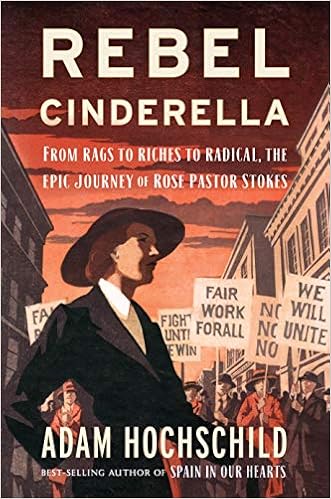 While Rose’s story grabs reader attention, Hochschild’s book is compelling because he tells a bigger story. He shows us the gap between rich and poor during the Gilded Age and the early 20th century and educates readers in a lucid and accessible sty le about early struggles for a fairer, kinder society.
A review of The History of England Volume III: Civil War by Peter Ackroyd
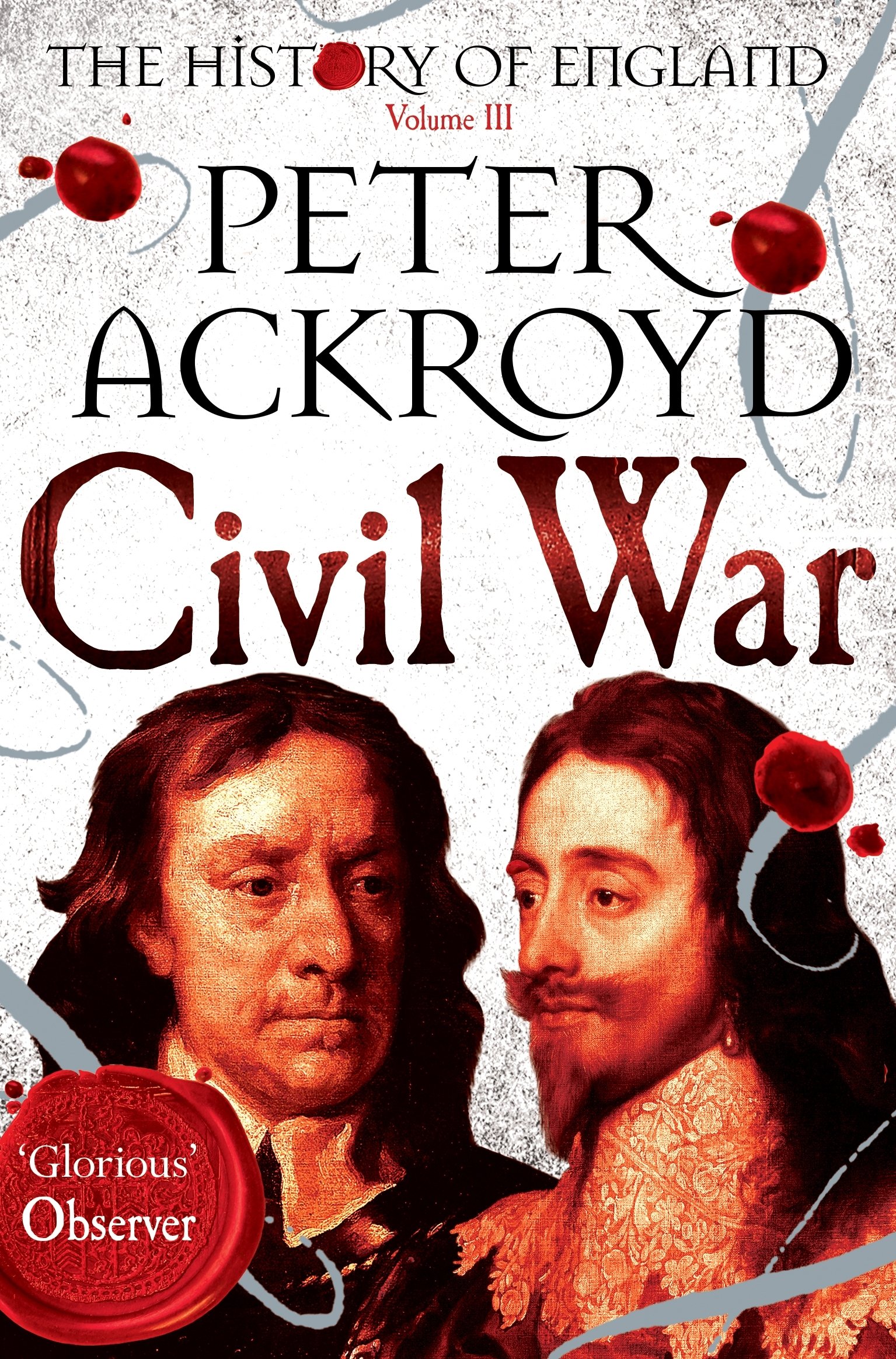 Civil War is not for those who want a detailed account of the Civil war period specifically; it is particularly void of military detail, but offers an insightful and vivid narrative of the whole of 17th century England that retains the period’s intricacy and complexity. While Ackroyd’s style is to make the civil war period seem rather like a series of accidents, common themes emerge that still influence our culture today.
A review of Imperial Plots by Sarah Carter
 Government and Canadian Pacific Railway officials (all men), subscribed to the myths that women lacked the technological and physical ability to farm successfully. In practice, wives and daughters of homesteaders frequently performed hard physical toil and operated machinery. Carter’s study uncovered many women who farmed and ranched, some quite successfully.
A review of Dark Convicts by Judy Johnson
 The story itself is a fascinating one with themes very relevant to modern readers: the impact of colonisation, racism, cruelty and social inequality, as well as love, hunger, and the desire for meaning and self-actualisation. Johnson is a natural storyteller, providing narrative context in between each of the poems. However the real heart of the collection is the poetry, which goes deeper than scholarship would otherwise allow. Johnson puts the reader right into the moment of experience, using language that is both harrowing and wry.