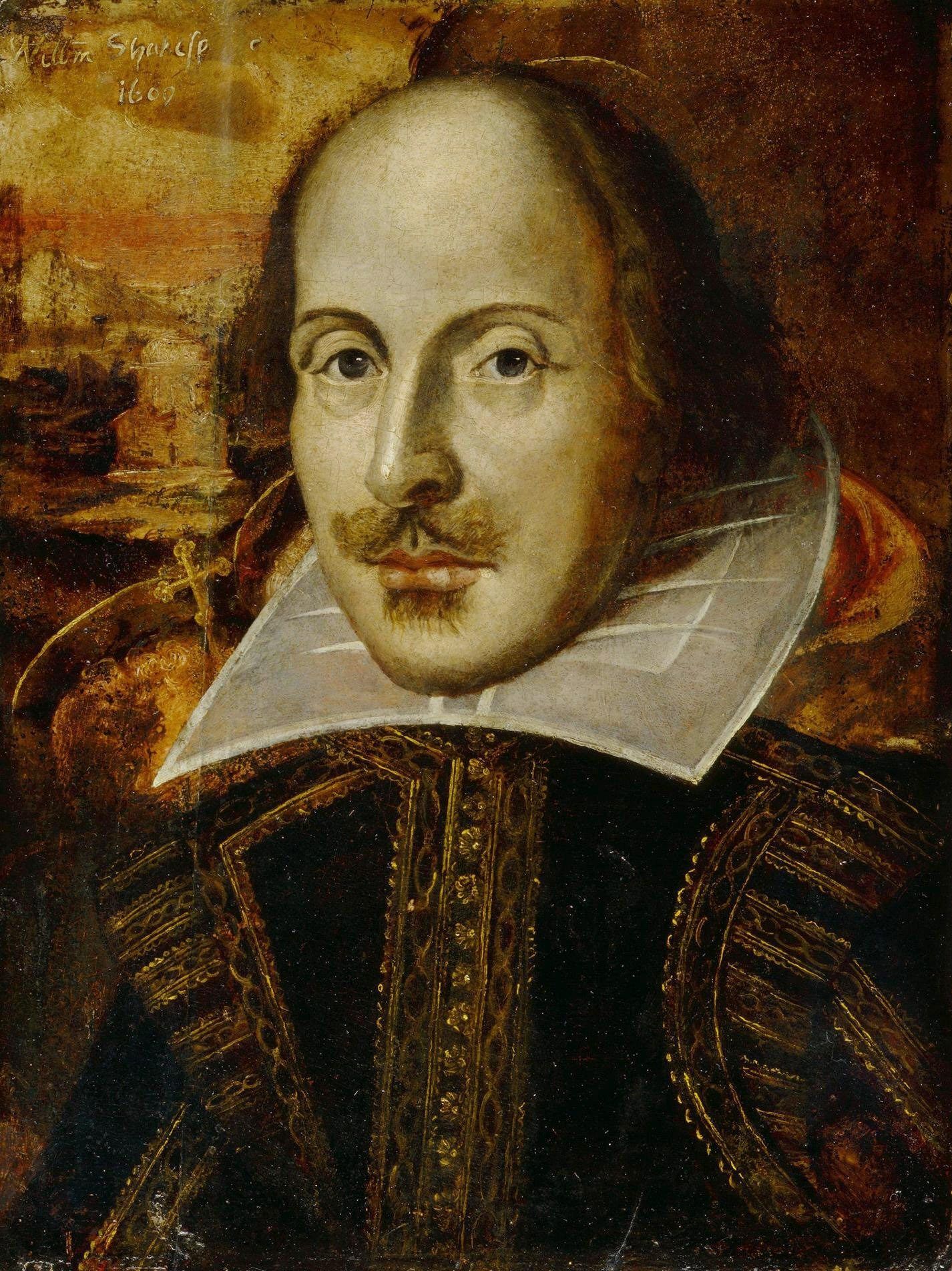
 Shakespeare writes about human emotion and impulse in a heightened realm, a realm of people with liberty and power, people of mind and passionate expression. Shakespeare gives us a language that is complex, eloquent, and true, a language to savor.
Tag: film
Mainstream Maverick: The Biography and Work of Robert Redford, incl. All Is Lost (& Selected Books)
 Appearance or truth? Both? Form and spirit. There has been a tension in our appreciation for Robert Redford, a dedicated actor and filmmaker who also happens to be an image of masculine beauty. Redford, as a young man of impulse and integrity, and not a little rebellion, was interested in adventurous exploration, whether involving art, travel, or relationships. Everything considered, he was a lot less selfish and shallow than most of us would be. That may be part of why he has become such an intriguing and respectable elder statesman.
Tourists with Typewriters: Writers in the Sternthal-Klugman film The Words and Lucy Fischer’s book Body Double
 There are many writers in many films. In Body Double, a book of eight chapters, with acknowledgements, afterword, notes, filmography, bibliography, and index, University of Pittsburgh English and Film Studies professor Lucy Fischer gathers together for examination a great bunch of films in which writers appear—Naked Lunch, Smoke, Deconstructing Harry, Paris When It Sizzles, Barton Fink, Adaptation, How Is Your Fish Today?, Swimming Pool, The Singing Detective, and Providence, among others.
Art and Environment: Manufacturing Landscapes, featuring photographer Edward Burtynsky
 John James Audubon may have been a naturalist and a painter, but it does seem all that often that one gets to contemplate both art and environmental issues, as with Manufacturing Landscapes, a film that presents the work of Canadian photographer Edward Burtynsky, who focuses on nature and how it has been transformed by industrial use, producing a different landscape, often one of devastation, yet one in which an unexpected beauty can be found.
Strange Culture, a documentary: On Government and Critical Art Ensemble artist Steve Kurtz, featuring Tilda Swinton and Thomas Jay Ryan
 Strange Culture is an intelligent and useful film, demonstrating how several cultures acquire and disseminate knowledge, specifically the art world and the justice system. It allows experts to speak, and it presents evidence. We even see some art—some of which is expectedly odd, and some of which is obvious tribute to tradition. The center of the film is Steve Kurtz, a long-haired blond, blue-jeaned artist and teacher, with dark circles under his eyes and a soft, humorous manner.
Existential Time: Cloud Atlas and The Apu Trilogy, Billy Budd, The Company You Keep, Django Unchained, Flight, Grand Canyon, Inescapable, Lawless, Lean On Me, Lincoln, Matewan, Temptation, To the Wonder, and Wuthering Heights
 Those were perspectives put forth in particular times, and they inspired fervent debate and disagreement. However, we, in successive generations, do not have to take sides for or against any man: we can look at their reasons and their results and take what is useful as the changing times demand. We can affirm classical studies and vocational training, democratic participation in the larger world and attention to particular communities, and nonviolence when it is sensible and violent self-defense when it is necessary.
Political Film and Conversation: Elia Kazan’s Wild River and Gus Van Sant’s Promised Land and Zero Dark Thirty, In the Land of Blood and Honey, and A Bottle in the Gaza Sea.
 Is there enough beauty and knowledge in the world? What are the virtues we want to cultivate and celebrate? What pain do we want to ease? Where there is injustice, do we want justice? What kind of culture do we want to live in, and with? Many people do not understand art, its technique or its mission, but art conveys living experience and contemplation of life better than almost anything else.
A Tragedy of Passion and Power: Tolstoy’s Anna Karenina, starring Keira Knightley, Jude Law, and Aaron Taylor-Johnson, directed by Joe Wright
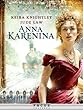 It is amazing how much content there is in this glittering work. The love of Anna and Vronsky is not the only love in the film. Levin, a great friend of Anna’s brother, a man with a country estate, is in love with Kitty who was infatuated with Vronsky, until Vronsky met Anna; and Levin has a drunken, rebellious brother, a radical watched by security forces, who married a woman who worked in a brothel.
Life is Good, but Good Life is Better: Julia Loktev’s The Loneliest Planet, featuring Gael Garcia Bernal and Hani Furstenberg
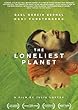 The natural beauty of a regal wilderness and the charm of an old culture are captivating, but the film, inspired by a Tom Bissell story, “Expensive Trips Nowhere,” turns on the kind of tale of challenged love that anyone could see himself or herself in.
Everything Costs Somebody Something: Arbitrage, starring Richard Gere, Susan Sarandon, Nate Parker, and Brit Marling
 Miller is a useful fiction in Arbitrage, a film that shows what happens when a man’s sense of his own power begins to lose touch with reality: a great business deal fails, the contradictions in his private life become obvious, and his social position is threatened.