 Even if World’s Fair doesn’t fit neatly into the horror genre, Schoenbrun does play with the expectations that we bring to horror films. We know that the film contains a source of danger, but our sense of what that source is keeps shifting. Is it the curse? Is it JLB? Or is it some darkness within Casey herself? In a brilliant move, Schoenbrun shifts the point of view halfway through the film, so that we follow JLB instead of Casey.
Tag: film
The Dream Life of Niki de Saint-Phalle
 Niki reinvents herself, makes decisions that work for her. She turns down a role in a Bresson film. She befriends, and later beds, Jean Tinguely, a fellow artist who turns out to be a boon companion for life. Harry’s extra-marital adventures foment another suicidal crisis for Niki, who finally divests herself of the unholy mess by picking up and moving out, this time on her own, to Paris. This is the germinal event – she blossoms as an artist, and finds her voice: “I shoot at the painting,” she exults, “it cries, it bleeds, it dies.”
A review of Shirley Clarke: Thinking Through Movement by Karen Pearlman
 Shirley Clarke: Thinking Through Movement explores many of Clarke’s films in depth, showing the ways in which she uses situation, context, space, time, real vs scripted life, and a networked and collaborative approach to working that focuses on the filming process itself as the main point of creativity rather than a pre-conceived plan. The result is a powerful way of looking at dance and filmmaking that can be applied to any kind of artistic endeavour.
A review of Breaking Plates
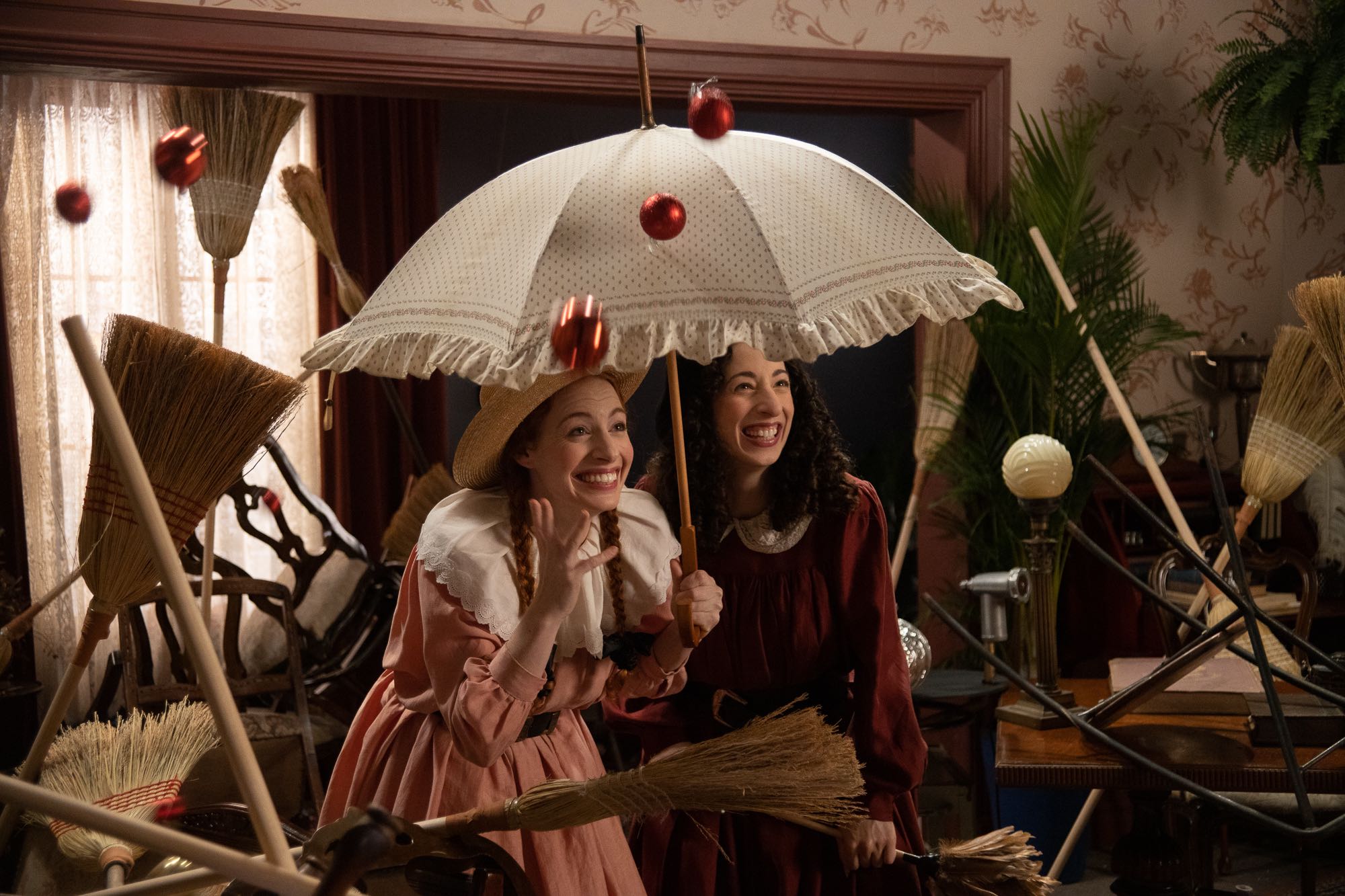 Walls fall down and characters burst out of the window, singing, dancing, shouting and breaking plates. The answer is clear that these structures, which seem so solid, are fragile indeed and it’s always possible to burst forth. Breaking Plates is utterly relevant and terrific fun, a film to watch repeatedly for the sheer joy of it, and to make our own conversations with the wild women of the past.
A review of Karen Pearlman’s Woman with an Editing Bench, After the Facts, and I want to make a film about women
 Collectively, the films present a compelling story of quiet tenacity, talent, and artistic determination. The films are all exquisite, featuring a distinctive blend of narration by Pearlman overlaying an Expressionist montage of documentary images, storytelling, and visual imagery to create seamless shifts between past and present, inner life and outer, and the creative process versus the finished film.
Friendship and Historical Materialism in Raoul Peck’s The Young Karl Marx
 Raoul Peck’s film, begins with the young philosopher Karl Marx’s critique of the persecution of desperate peasants, who go into forests to gather dead wood, something considered theft, for which they were arrested or beaten or even killed. Marx, a passionate but poor writer married to a well-born woman, was censored for his examination of political power.
Spotlight on Twin Peaks Cast & Crew – Sabrina S. Sutherland
 Prior to becoming an Executive Producer on the second series of Twin Peaks, Sabrina S. Sutherland had already collaborated with auteur filmmaker David Lynch on an array of projects, including commercials, shorts, features and numerous other works ultimately left unrealised. Having worked closely with Lynch over a period now spanning some thirty years, she has acted as a main driving force across his oeuvre, often as the pragmatist essential in ensuring the visionary’s vision completed the transition to screen. Catching up with Samuel Elliott in the lead-up to touring Australia and New Zealand as part of the Twin Peaks: Conversations With The Stars event, Sutherland discussed both working on such an inimitable show and with such staggeringly prolific filmmaker as David Lynch.
A review of The Blackcoat’s Daughter
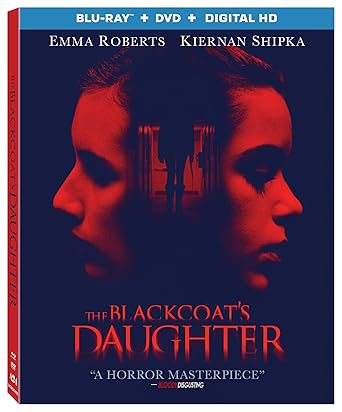 Now, we are witnessing perhaps the most substantial change to the horror formula to date and the rise of a new sub-genre. These modern films focus far less on gratuitous violence and concern themselves more with a journey that leads us to tragic ends. This new crop of horror is more cerebral, less conventional—films which have been called “art house horror”—even “post-horror.”
A review of Macbeth directed by Justin Kurzel
 Faced with the prospect of a dreary peace, Macbeth the triumphant warrior goes for the main prize: King Duncan’s crown. It is an exhilarating adaptation of Shakespeare’s great tragedy but I feel that the emphasis is sometimes misplaced or even absent. For example, Lady Macduff’s ‘I have done no harm’ speech, usually the most moving in the whole play, is delivered while she’s on the run from murderers. They can’t hear her, we wonder why she’s starting a conversation. Run faster, woman.
Shakespeare As the Father of Us All: On Romeo & Juliet, As You Like It, Much Ado About Nothing, and At Any Price, Bamako, Cesar Chavez, The Darjeeling Limited, Prisoners, Thurgood, and The Wolf of Wall Street
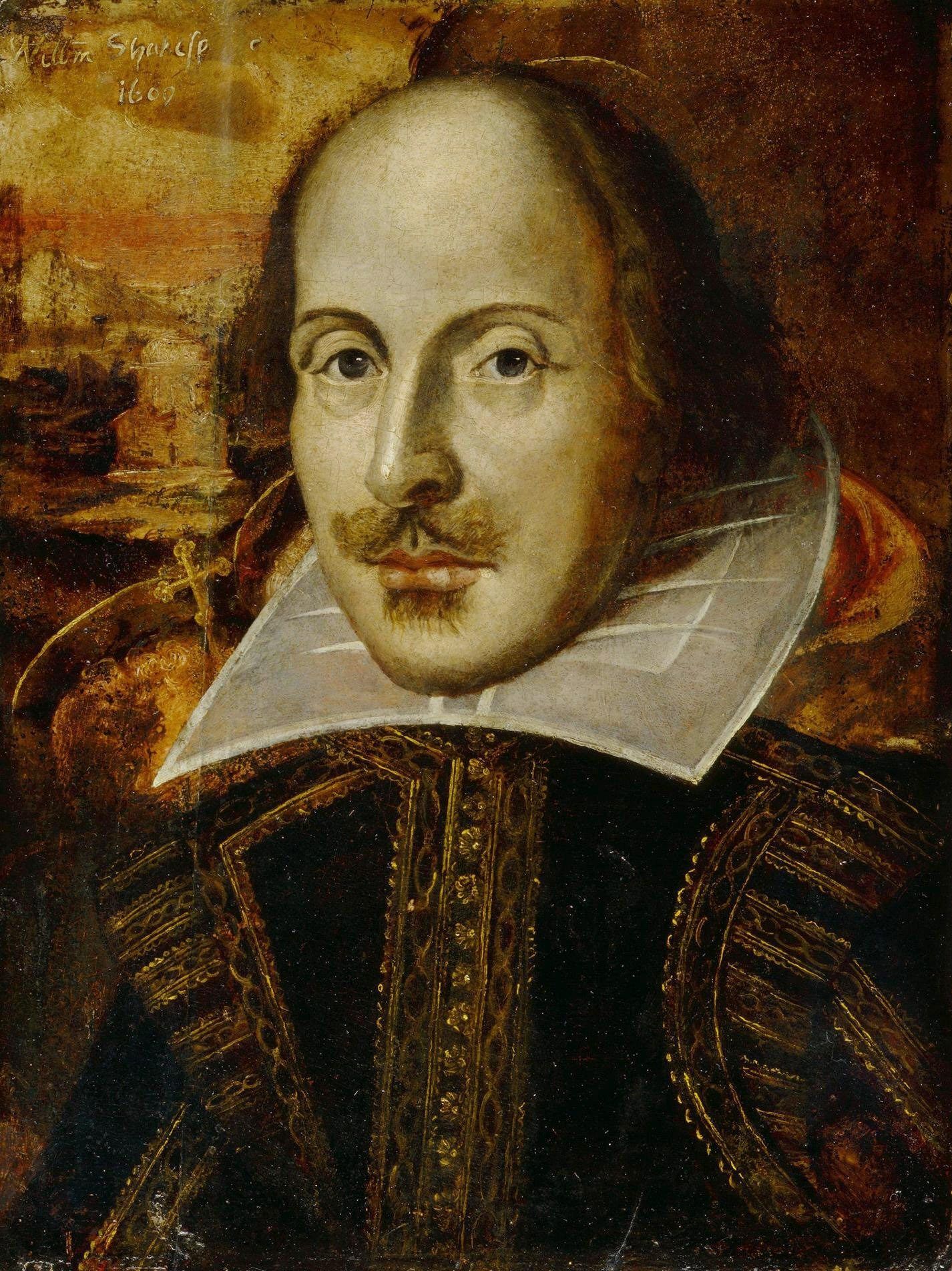 Shakespeare writes about human emotion and impulse in a heightened realm, a realm of people with liberty and power, people of mind and passionate expression. Shakespeare gives us a language that is complex, eloquent, and true, a language to savor.