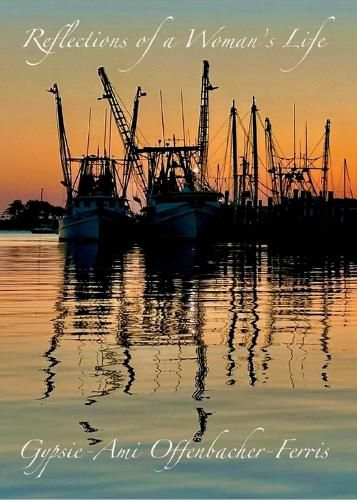
 And to be is to be filled with wonder, an emotion that is threaded throughout this book. “The Arrival” is about the wonder of a mother giving birth to her child. While it is spoken in third person, the poem is so visceral it seems as if told from the newborn’s point of view. “Clutching at the foreign, warm five/ fingered hands, sucking, plucking,/ poking at skin rampaged by the/ stinging air surrounding her.” The wonder of nature pervades “My Garden.” In the garden death, in the form of a dead dragonfly, coexists with life, a snake and a toad.
Category: Poetry Reviews
A review of And Wales by Accident by Linda Lerner
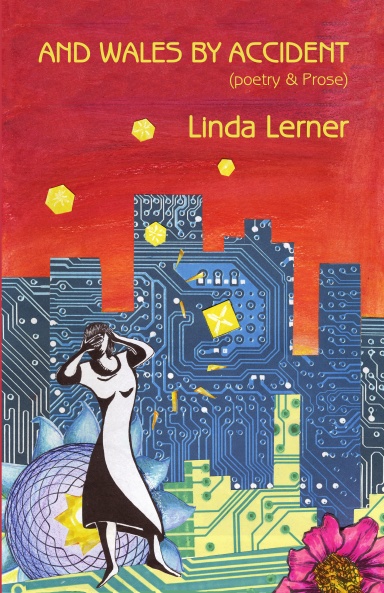 Metaphor, irony, and paradox abide in all five sections of this book. The ball in the opening poem of the first section, “And just like that,” becomes more than a ball “red hot as it flew overhead, each time / gathering speed covered / a greater distance,” literally in the park, figurative in the poet’s emotional landscape.
A review of The Green Room by Cath Kenneally
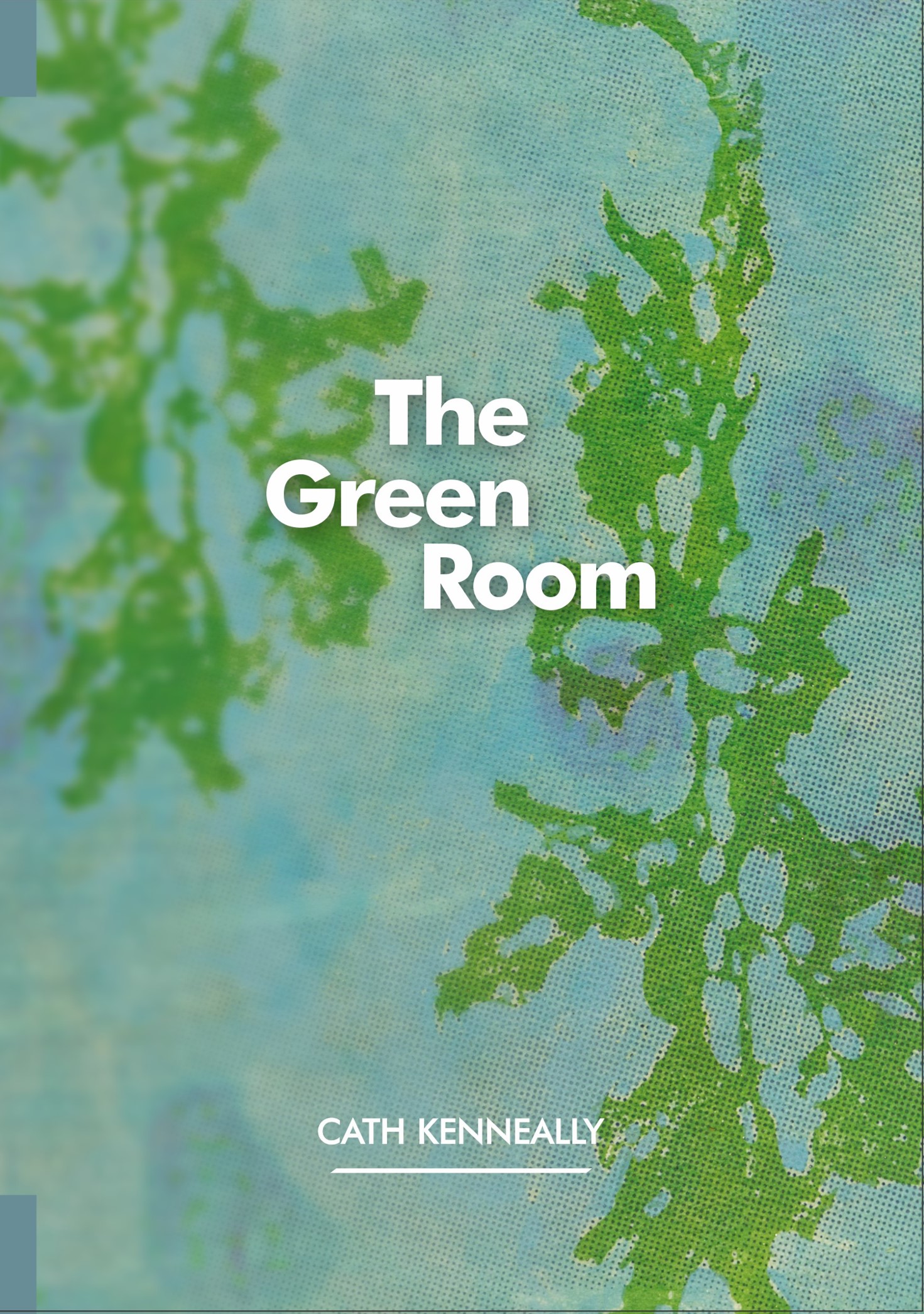 The book is very much centred on water: its criticality to human and other forms of life, and the ways in which we are intimately connected by water to all living things. Though The Green Room is relatively short it covers a lot of ground, with thirty short poems that are powerfully condensed. Keneally utilises the gaps or silences between words and stanzas, often separating lines with double, triple or quadruple spaces. The poems flow like water, leaving plenty of room to pause and reflect between words.
A review of Field of Vision by Stephanie Horvath
 With a one-word title, a poem becomes a political statement, a thermometer of the zeitgeist. But Horvath refuses to settle down. Her North Star drives a quest for understanding. She is wondering about meaning and purpose, particularly when answers aren’t obvious. How do we know when it’s good? How do we know it’s enough? Where does the poem end?
A review of The Unnumbered Anniversaries by Kurt Olsson
 Reading Kurt Olsson’s The Unnumbered Anniversaries is like believing that you’re walking a route you’ve taken since childhood, then waking up, that same landscape outside the bedroom window. It’s hard to separate the dream from the real. And it becomes true that the dream and the real are inseparable, maybe the same.
A review of Women In Marigold by Mansi Dahal
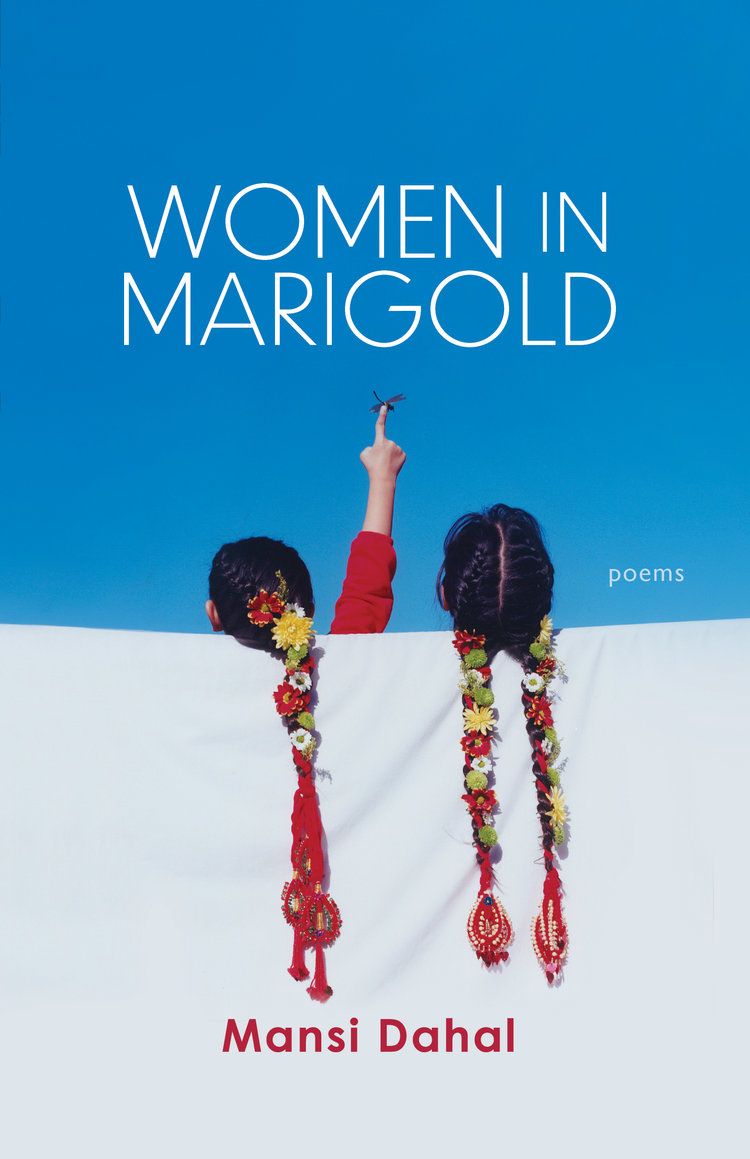 With the subject and object of Dahal’s poems fluctuating so often, it’s impressive how consistently she remains grounded in them. Her preference for plain assertions carries the firmness of an Oriana Fallaci interview, oratory with bite. Just as the line breaking into “me manipulative. A woman” summarizes the exhaustion of this poem, summarizing single images abound in others.
A review of Rupture Anthem by Hera Naguib
 The poems in Rupture Anthem chronicle one woman’s quest for personal independence in the face of so many obstacles. The daughter of Pakistani foreign workers in Saudi Arabia, she experiences both sexual repression from strict patriarchal Islamic clerics, in educational settings, and the exploitation of migrant workers that her family endures.
A review of Shelf Life by Hemat Malak
 Shelf Life is a finely written book, so polished and confident in its voice that it’s difficult to believe it’s Hemat Malak’s first collection. The work balances a self-reflection that feels very human and open with a wry expansiveness that isn’t afraid to laugh, cry, or reinvent itself.
The Zingers of Adam Sedia and the Voice of Ancient Egypt: 3 books by Adam Sedia
 Sedia has the unique gift of employing what I call “Zingers”— a combination or interplay or juxtaposition of words which are so unique and unusual (and unusually good) that they just pop out at you. Not only is Sedia a careful, measured poet with extremely fine and precise diction, but he manages to combine commonly-used words in uncommon ways in addition to the “Zingers”, which elevate his writing to a whole new level.
A review of In Common Things by Jefferson Singer
 Shining gems of individual phrases adorn every page, yet the meanings of the entirety of some of the poems eluded this knucklehead reviewer … until reaching the final three pages of Notes. Consider bookmarking those Notes, to refer to them either before or immediately after reading each poem.