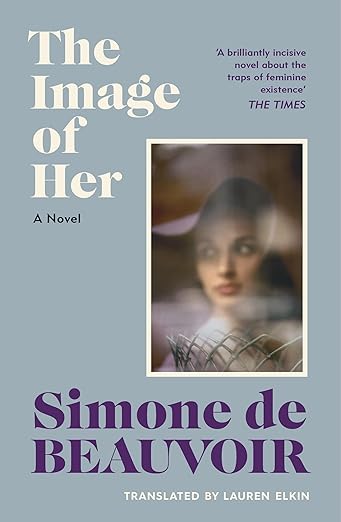
 Elkin’s translation reads exceptionally well as English prose. It conveys the frazzled state of Beauvoir’s hero, a young wife and mother, barely in her thirties, as well as Beauvoir’s attitude toward narrative literature, opposed to the experimental forms of the 50s and 60s, and in favor of fiction that was socially motivated, shamelessly didactic, and set clarity of social vision as its practical task. But that does not entail a retread of mimetic naturalism.
Category: Classic Literature Reviews
The Alchemist: A Journey of Personal Legend
 It is blindingly clear that what makes The Alchemist one of Paulo Coelho’s most epic and memorable novels is his ability to spin a simple story with a deep message. He evokes something human and universal that haunts everyone, everywhere: the pursuit of dreams. This pursuit is what keeps people alive, hopeful, and strong.
An Analysis of Gravity’s Rainbow by Thomas Pynchon
 And if this book should be read for any reason at all it should be appreciated for its stunning command of depth its language and scope of insight into what he (Pynchon) does manage to make obvious and that is the unequivocal depravity of the human condition in its ability to jump from the page and literally assault the reader with perceptions of delusion decadence debauchery and wantonness.
A Shapeshifter in Love: Marie de France’s Yonec and Gabrielle-Suzanne de Villeneuve’s The Beauty and the Beast translated by Katharine Margot Toohey
The story progresses quickly and even though we are well-aware of the outcome – the happily-ever-after ending is no spoiler here – the emphasis on Beauty’s own agency makes for a richer tale and one where the morality of beauty and love being more than ‘skin deep’ has deep resonance.
100 Selected Poems by William Wordsworth
 Here in these poems from the naïve and yet wisdom reply of a little girl to poems about nature or nature poems we see what William Wordsworth does so well: Mixing passion with poetic excellence, displaying poetic mastery in simple diction to give the profound and remarkable through verses that show beauty and mean something and provoke thought and entertain at the same time.
A Review of The Odyssey translated by Michael Solot
 As soon as I started reading Michael Solot’s translation of The Odyssey, I felt instantly connected to the text. It felt so alive, so “modern,” so contemporary, so immediate. It was like reading Homer composed in my native English. Solot uses a conversational register yet it is replete with both elevated and ordinary language with a wide, dynamic range. The story was not only clearly understandable, it was compelling, urging me onward to read to the next chapter. I have never read 400 pages so quickly!
A review of Count Luna by Alexander Lernet-Holenia
 The influence of Dracula on both popular and literary culture goes on and on. That there are tons of awful movies out there, and many novels not worth mentioning, goes without saying. Yet every so often, a book comes along that is a true wonder. It glimmers with a unique identity while leaving little doubt as to its thematic pedigree. One such work is the Austrian poet Alexander Lernet-Holenia’s 1955 short novel Count Luna, which New Directions has released in a fine translation by Jane B. Greene.
Dark Continents: Sima Godfrey’s The Crimean War and Cultural Memory and Raymond Roussel’s Impressions d’Afrique
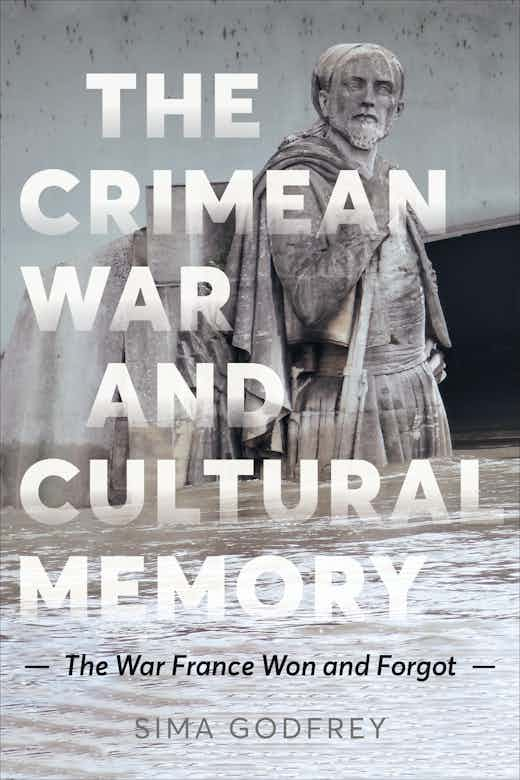 The Crimean War and Cultural Memory is more than a window on cultural disapprobation, from a particular era. It is a sensitive, scholarly (with great photographs and illustrations) exercise in resurrecting obscure, ‘forgotten’ history. How history gets to forgotten is the main issue here.
A review of Edith Wharton’s The House of Mirth
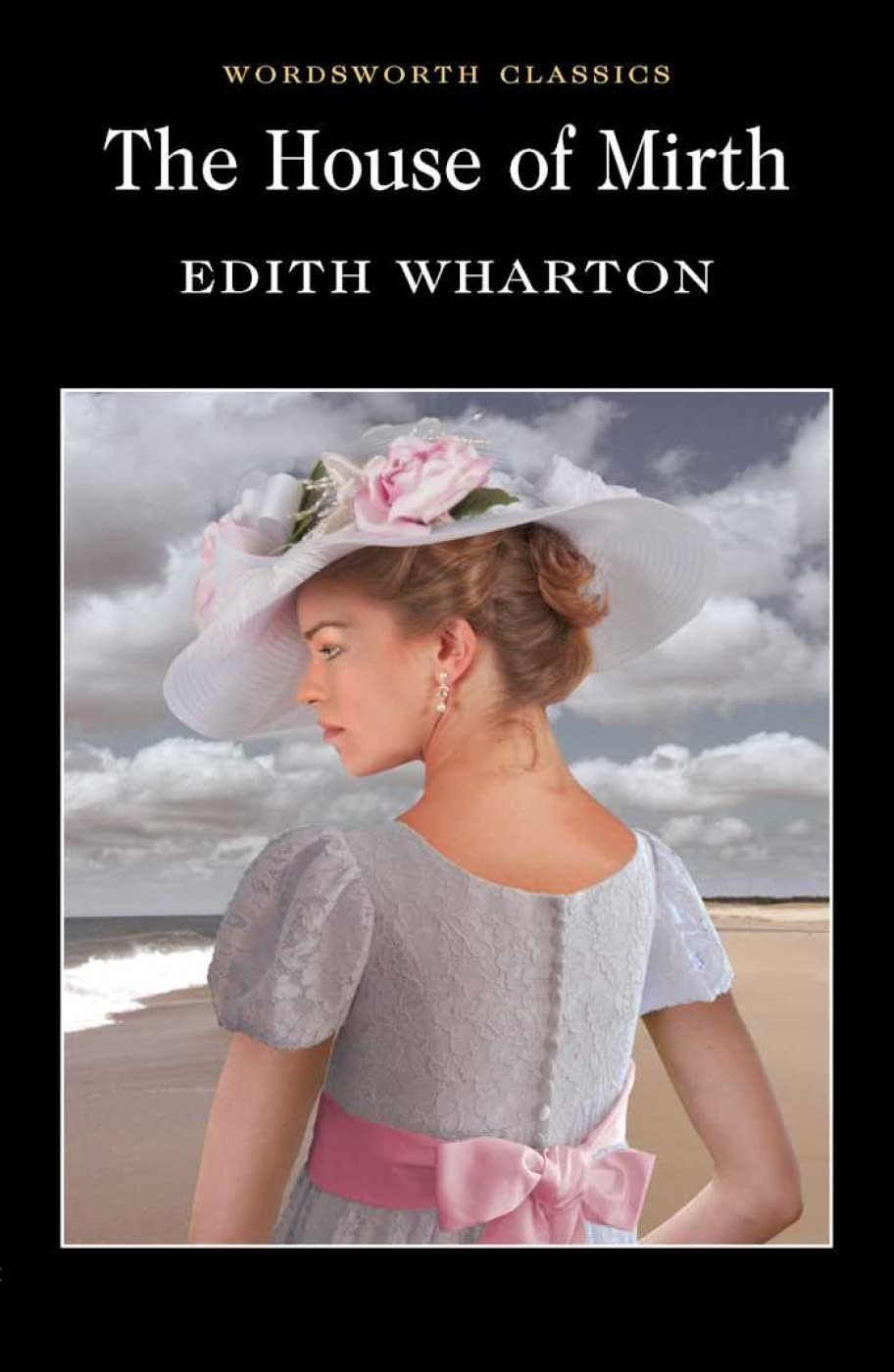 As a protagonist, Lily is not easy to love. She isn’t down to earth and feisty like a Jane Austen heroine or destitute and virtuous like one of Thomas Hardy’s. She is vain, materialistic, and small-minded. She obsesses over clothes, incomes, and table settings, and is cruel to the friends whose modest means render them socially useless to her.
A review of The Iliad translated by Emily Wilson
 In summary, Emily Wilson’s translation of The Iliad is a tour de force that navigates the fine line between faithfulness to the original and contemporary relevance. While some critics accuse her of excessive modernization, these criticisms often overlook her intent: to make this epic tale accessible to a broader audience without sacrificing its original integrity.