 Tupelo is the perfect press to release a book like this. Founded in 2001, their twenty years of knowledge shines through, as does a pragmatism that I’m afraid could be lost if one of the big five publishers attempted to publisher a similar book. It’s apparent that Tupelo has a history of what they refer to on their website’s call for submissions as “energetic publicity and promotion.” That energy is contained in the dense sixty-some pages of Open Secrets.
Author:
An interview with William Jack Sibley
 The author of Here We Go Loop de Loop talks about his new book, his life, writing practice, favourite authors, tips for writers’ block, his ideal Hollywood cast, and more.
New Giveaway!
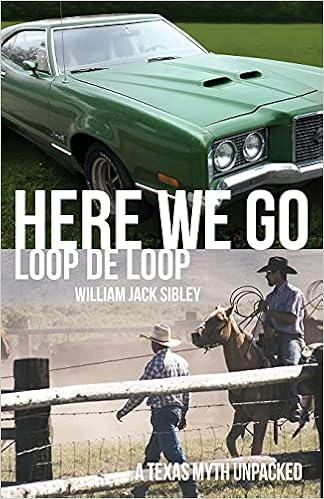 We have a copy of Here We Go Loop de Loop by William Jack Sibley to give away!
To win, sign up for our Free Newsletter on the right-hand side of the site and enter via the newsletter. Winner will be chosen by the end of September from subscribers who enter via the newsletter. Good luck!
A review of A Cartography of Home by Hayden Saunier
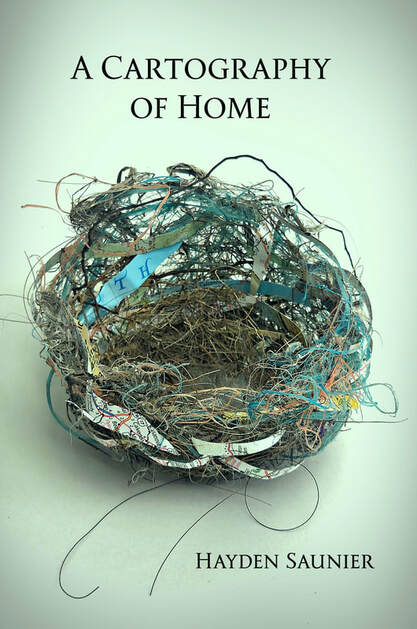 Saunier’s skills as a poet are showcased throughout this collection, but she works deftly and quietly, never browbeating the reader. A first read allows a simple pleasure in the words; it is upon a second and third read that nuanced layers unfold. For example, “Dirt Smart” begins with the lines, “You have to eat a peck of dirt / before you die, my grandma said. / I worried. Do I have to?” The poem continues with a description of the grandmother’s hard scrabble childhood in the tobacco fields “dug deep with labor, slaughter / and someone’s finger weighting every scale, / the way most land accumulation’s won.”
A review of Roger Federer, The Master by Christopher Clarey
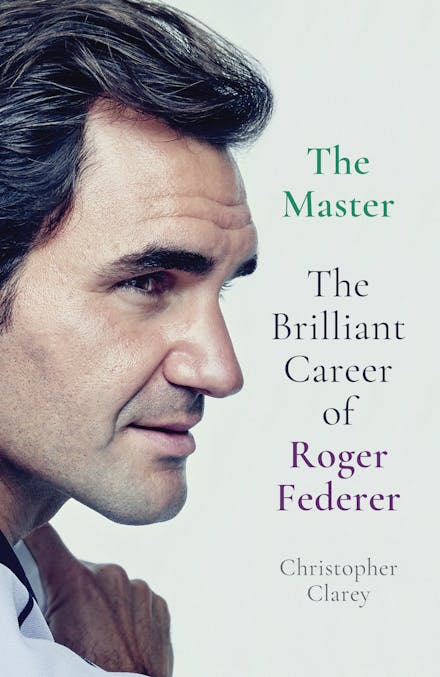 What do disappointment, age, repeated injury, physical deterioration, last hopes, and the triumphs of rivals do to a sportsman and the narrative of his life? With so much unwritten, we can only ask, Why now? Why not wait until after the Big Three retire?
A review of More Lies by Richard James Allen
 There is always a degree of artifice in the process of creating a narrative. A story must be constructed, and the many and multiple perspectives of reality fixed into something linear and sensical, which is, in its way, antithetical to the reality of life. Allen plays with this notion, weaving together multiple narrative threads into a story that sets itself up as a noir thriller with an engaging tagline: a writer held hostage by a beautiful woman, forced to type on his typewriter as a decoy to an assassination.
A review of A Review Failure Lyric by Kristina Marie Darling
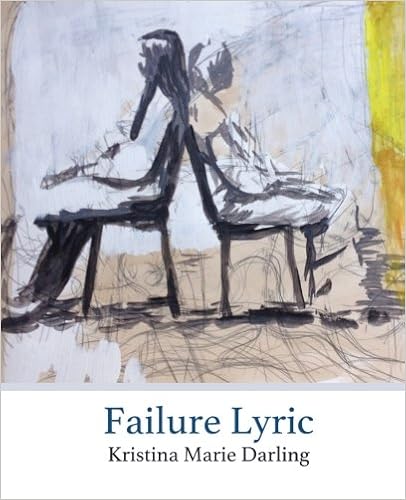 In Failure Lyrics, she seems to resonate with the words of Browning’s failed lover who sighed to say, “Fail I alone in words and deeds/ Why, all men strive, but who succeeds?” Adamant defiance, compulsive self-acceptance, a foray into the world of failures much as a bastion dreaded by all, loved[!] by few, very few! How can one fall in love with failure? It may irk us to see the successful folks around but can anyone be complacent with failure, let alone come to terms with it considerably? Perhaps, therein lies the secret of Darling’s powerful, highly experimental verses.
A review of A God at the Door by Tishani Doshi
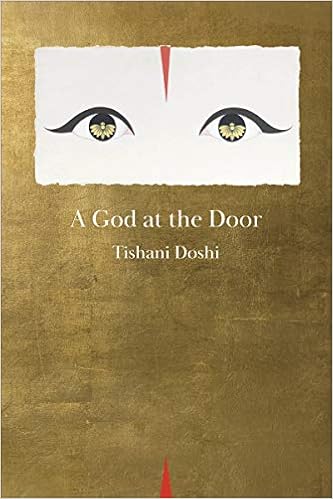 With irony and compassion, Tishani Doshi takes on so many of the calamities of our modern world in this truly comprehensive collection. From the treatment of immigrants and women to the pandemic, climate change and political tyranny, she aims her words at the injustices and tragedies that sometimes seem to overwhelm us. But through her humor and wisdom she offers a tentative, fragile vision of a redemption available to all of us, an attitude we can all adopt.
New giveaway!
 We have a copy of Meeting Each Other Alive: New Translations from the Letters between Manuela Sáenz and Simón Bolívar, and from their Letters about each other Translated by Katharine Margot Toohey to give away!
To win, sign up for our Free Newsletter on the right-hand side of the site and enter via the newsletter. Winner will be chosen by the end of September from subscribers who enter via the newsletter. Good luck!
A review of the light we cannot see by Anne Casey
As with all of Anne Casey’s work, the poems in the light we cannot see contain a deep underlying humanism that comes through every poem. Perhaps this is the light we cannot see – a rich illumination more felt than seen, providing hope through the many threads of grief that connect the poems in this collection. Many of the poems are inspired by Casey’s Irish heritage, shot through with Gaelic motifs that link the poems, from a brilliant coupling of “The Second Coming” by WB Yeats and the Coronavirus to a plait or DNA-shaped prayer to Celtic goddess Brigid.