 Cemeteries are strange spaces, otherworldly (a gateway to the afterlife) yet of this world. You see an angel’s wings and, looking lost, a child’s teddy bear. That glint of sunlight piercing oblivion’s black veil is sacred, holy are those red and pink flowers laid by the earth in which the Dead are buried – not a uniquely human custom, for the Neanderthals buried their loved ones.
Author:
This is Not my Life by Diane Schoemperlen
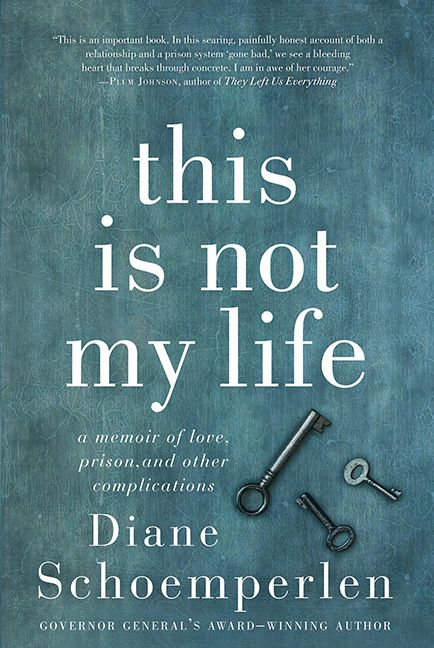 As a left-wing person raised to practise the Golden Rule, I have felt guilty about it, since, on at least one significant occasion, my life was transformed by someone who took a chance on me. The question of when to open one’s heart and when to close it is an ongoing one. Diane Schoemperlen’s experience with Shane casts light on this question and makes us feel less alone in the struggle. Her wry humour and way with words keep it from being maudlin.
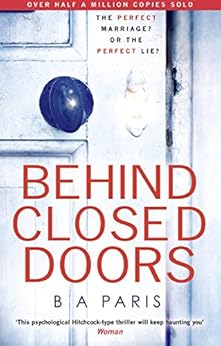 We have a copy of Behind Closed Doors by B.A. Paris to giveaway. To win, just sign up for our Free Newsletter on the right hand side of the site.
The winner will be drawn by the 1st of November from subscribers who enter via the newsletter. Good luck!
Interview with Madison Windsong
 Madison Windsong talks about growing up in Amish country, about when and why she started writing, about her style, her favourite authors, her covers, the travel she’s done for her books, her biggest challenges, advice for other writers, work in progress, and lots more.
A review of Thug Kitchen: The Official Cookbook
 Anyone who is uncomfortable with swearing should keep away from this book. It makes a Billy Connolly routine seem prissy. People who don’t believe a meal without meat, eggs and/or dairy is worth eating will also be disappointed with the lack of animal products. Anyone else who is looking for lighter, healthier and more ecologically sound eating, however, will find new inspiration and ideas from these recipes, and a range of really good food that doesn’t require fancy ingredients, long cooking times with multiple recipes, or difficult techniques.
Another Dodge in a System of Dodges: Evasion of Responsibility in What Maisie Knew, Book and Film
Henry James created characters able to embody his concern for elegance, intelligence, morality, and social ritual; and his work attains intellectual and spiritual dimension of a high degree—and his style, thoughtful, textured, teasing, can be complex to the point of profound obscurity, requiring attention, consideration, and deep understanding. The drama is increased for all that.
A review of The Natural Way of Things by Charlotte Wood
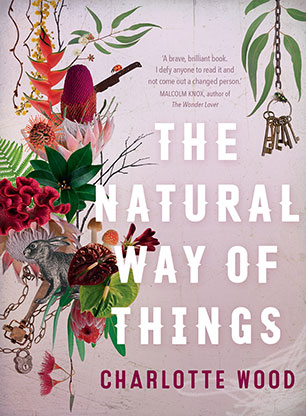 The Natural Way of Things is an easy book to read but a hard one to digest. It holds up a mirror that shows an ugly reflection of the relationship between capitalism and misogyny that once glimpsed cannot be unseen. Though it’s disturbing, The Natural Way of Things is also powerful, beautiful, and utterly important.
A review of How to Be a Writer by John Birmingham and Use Your Words by Catherine Deveny
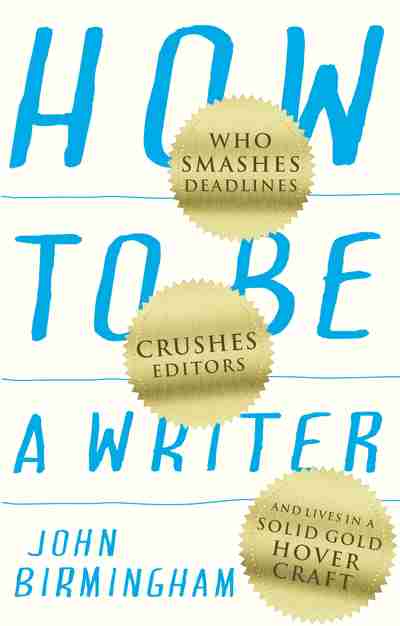 In How to Be a Writer, he is free with the swearing and the sexual metaphors, but also with solid advice about tackling writerly problems and going about making a living out of writing. The first part of the book deals with issues such as finding your voice as a writer, the need to specialise in the ever-changing world of publishing, getting a routine established (just not one like Hunter S Thompson’s, too much cocaine), and using technology to your advantage.
A review of Behind Closed Doors by B.A Paris
The chapters alternate between Present and Past. Sometimes an event occurs in the “present” which leaves us puzzled, but it is explained in one of the next “Past” chapters. One never gets lost in these time shifts, thanks to the chapter labelling, but one is often confused. By keeping us uncertain, author E.A. Paris is making us experience something of what Grace is going through.
A review of Coinman an Untold Conspiracy by Pawan Mishra
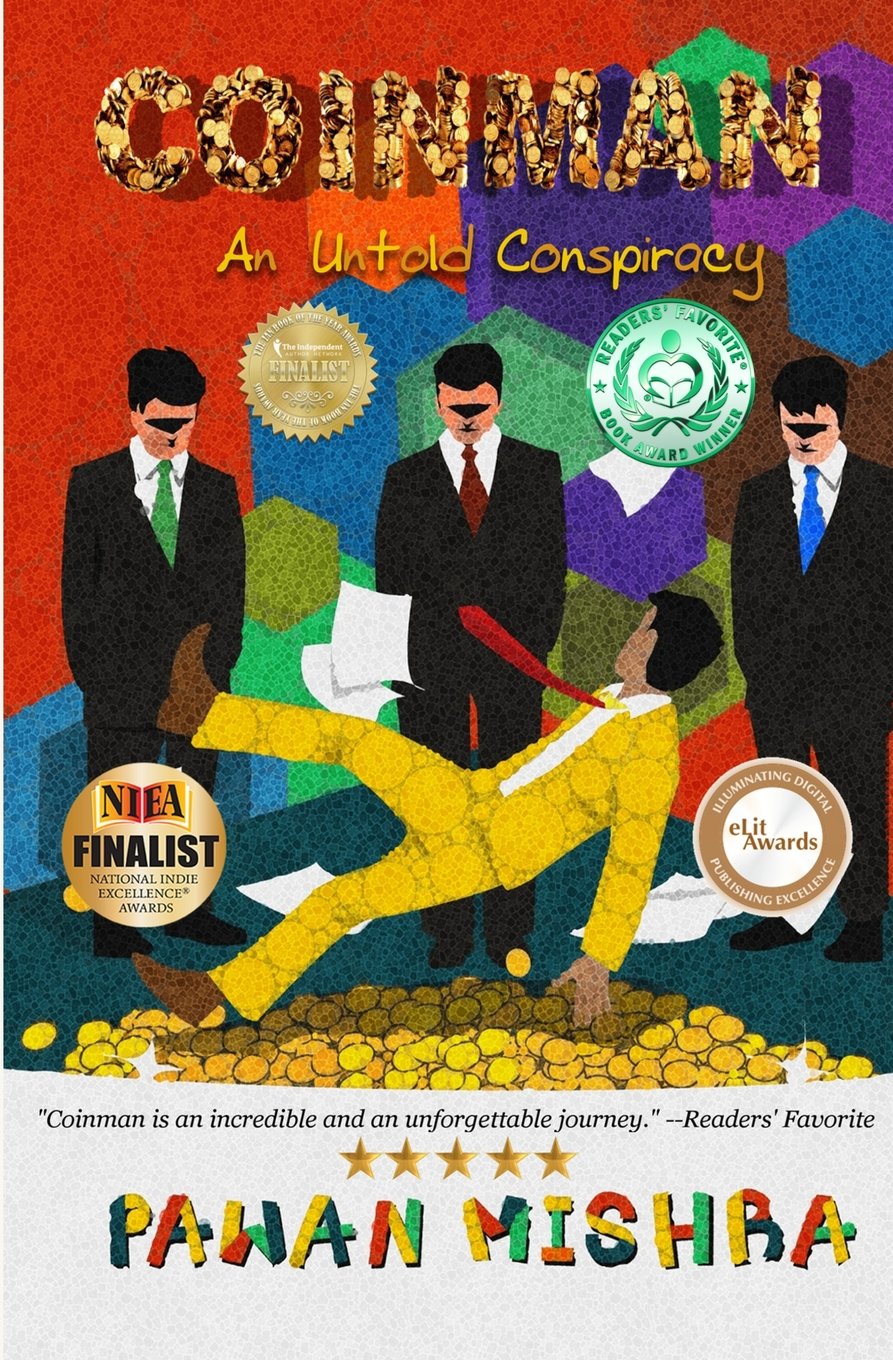 Mishra explores the banality of archetypical life in a nimble manner, raising questions about the nature of reality, and perception. Pawan Mishra has accomplished an exceptional, fascinating, and, at times entertaining book which also points the reader toward a moral lesson without doing so in a ‘preachy’ manner.