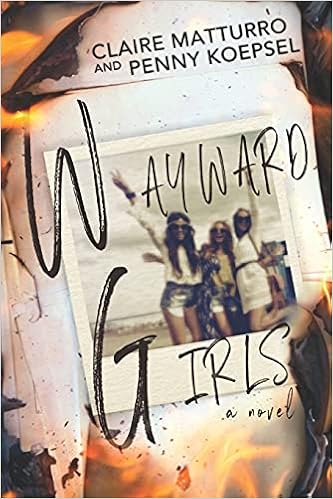
 Matturro and Koespel artfully develop all the key elements of a horrifying thriller in Wayward Girls. The eerie atmosphere lingers like an unforgettable nightmare, an especially haunting one, considering the dedication indicates the story, while fictional, is based on real schools in Texas and Florida, with some of the most appalling events taken directly from official transcripts.
Author:
New giveaway!
 We have a copy of The Accidental Suffragist by Galia Gichon to give away!
To win, sign up for our Free Newsletter on the right hand side of the site and enter via the newsletter. Winner will be chosen by the end of August from subscribers who enter via the newsletter. Good luck!
A review of Selected Poems 2002-2021 by J R Solonche
 The poetry in this book is varied in style, form, and theme. The reader will find prose poems, free verse, haikus, lists, ghazals, sonnets, and many anaphora poems. The poet’s poems on his relationship with life go from the most profound to the most trivial. Many poems are philosophical, while others are about nature, human feelings, and small events of daily life like driving on a highway, observing his daughter while she swims, or saying goodnight.
A review of While Listening to the Enigma Variations by Diane Frank
 As the title of Diane Frank’s stunning collection of new and selected poems suggests, with its reference to Edward Elgar’s exquisite orchestral suite, music is an important theme throughout her work. Dance, spirituality, dreams, and love are as well. They all add up to profound wisdom and convey a sense of joyfulness.
A review of Know Your Country by Kerri Shying
 Shying never puts on airs, using words with absolute precision. The work has many themes and encompasses several, often competing realities. The most prevalent one pivots around the notion of identity. One’s country is not just the place you live or come from, but also its history, and what it has come to represent. It is not just nationhood, but the earth beneath your feet, the flora, and fauna, the space of the heart.
A Conversation with Carly Inghram about her newest poetry collection, The Animal Indoors
 Carly Inghram is a poet from Atlanta. Her first collection, Sometimes the Blue Trees, was released from Vegetarian Alcoholic Press in 2019. Her newest poetry collection, The Animal Indoors, is the winner of the 2020 CAAPP Book Prize. She currently lives in Manhattan and teaches kindergarten in the Bronx.
New giveaway!

We have a copy of All’s Fair And Other California Stories by Linda Feyder to give away!
To win, sign up for our Free Newsletter on the right hand side of the site and enter via the newsletter. Winner will be chosen by the end of August from subscribers who enter via the newsletter. Good luck!
A review of Life in a Field by Katie Peterson
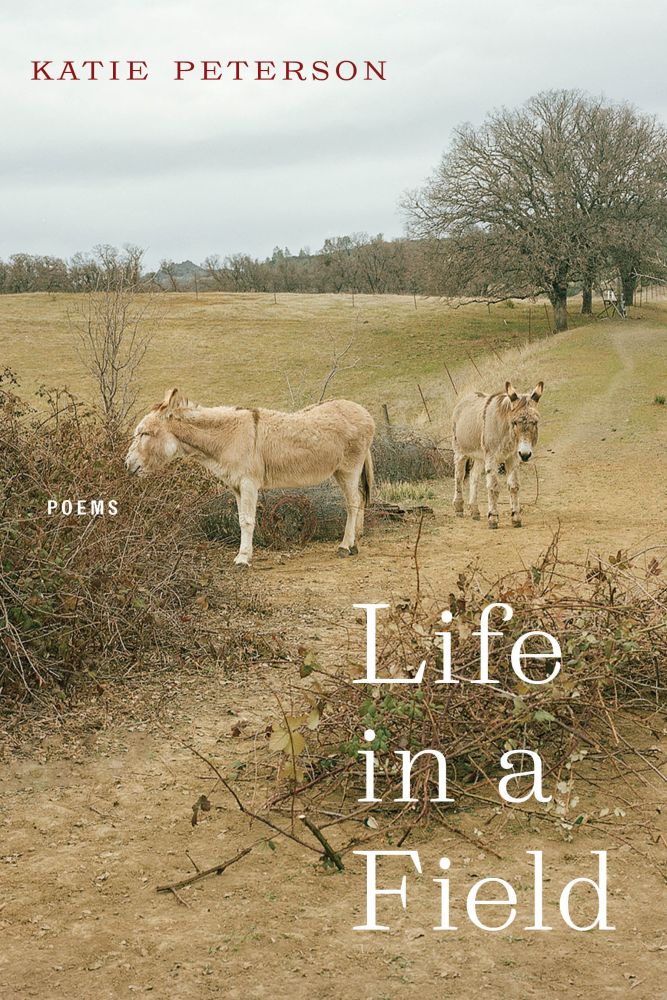 When I look at a donkey’s face (there are two in a photograph on the book’s cover), I see a vulnerability in the expression, coming from the slant of the eyes and the slight silliness in the largeness of the ears, suggesting a melancholy that leads me to suspect the animal might do better with a bit of attention or comforting. In a horse’s face, by contrast, I see something sturdy and handsome. The central image that drives this book is a child speaking softly into a donkey’s ear. The poignancy of this scene is never emphasized or exploited, which allows the emotion to expand in its own way, having a gradual effect on the reader.
A review of Mario Writes a Poem a Day for a Year, and So Can You by Mario Milosevic
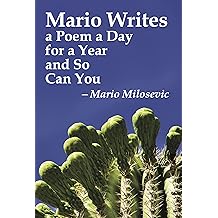 Why write poetry? Milosevic says it sharpens your mind, encourages concise writing, helps you appreciate the world, and most of all is fun. He encourages aspiring poets to “take advantage of the long tradition of verse” by familiarizing themselves with the work of other poets. I was pleased with this, as aspiring poets who have asked my help too often displayed total ignorance of great works of the past. Milosevic also tells budding poets to trust their instincts, quoting Allen Ginsberg’s principle: “First thought, best thought.”
An Interview with Dennis “Mitch” Maley
 Dennis “Mitch” Maley, a Bradenton, Florida journalist and author, delves into harsh historical events in his newest book, Burn Black Wall Street Burn (Punk Rock Publishing June 2021), and he does so with verve, talent, and force. Told through the eyes of several characters, the book is a riveting, up close and personal story of one of America’s ugliest moments. Written as historical fiction, or “dramatized history,” the book is accurate, but goes beyond the hard facts to vividly tell an intimate story of many lives at the center of a tragedy.